What makes rocoto distinctive
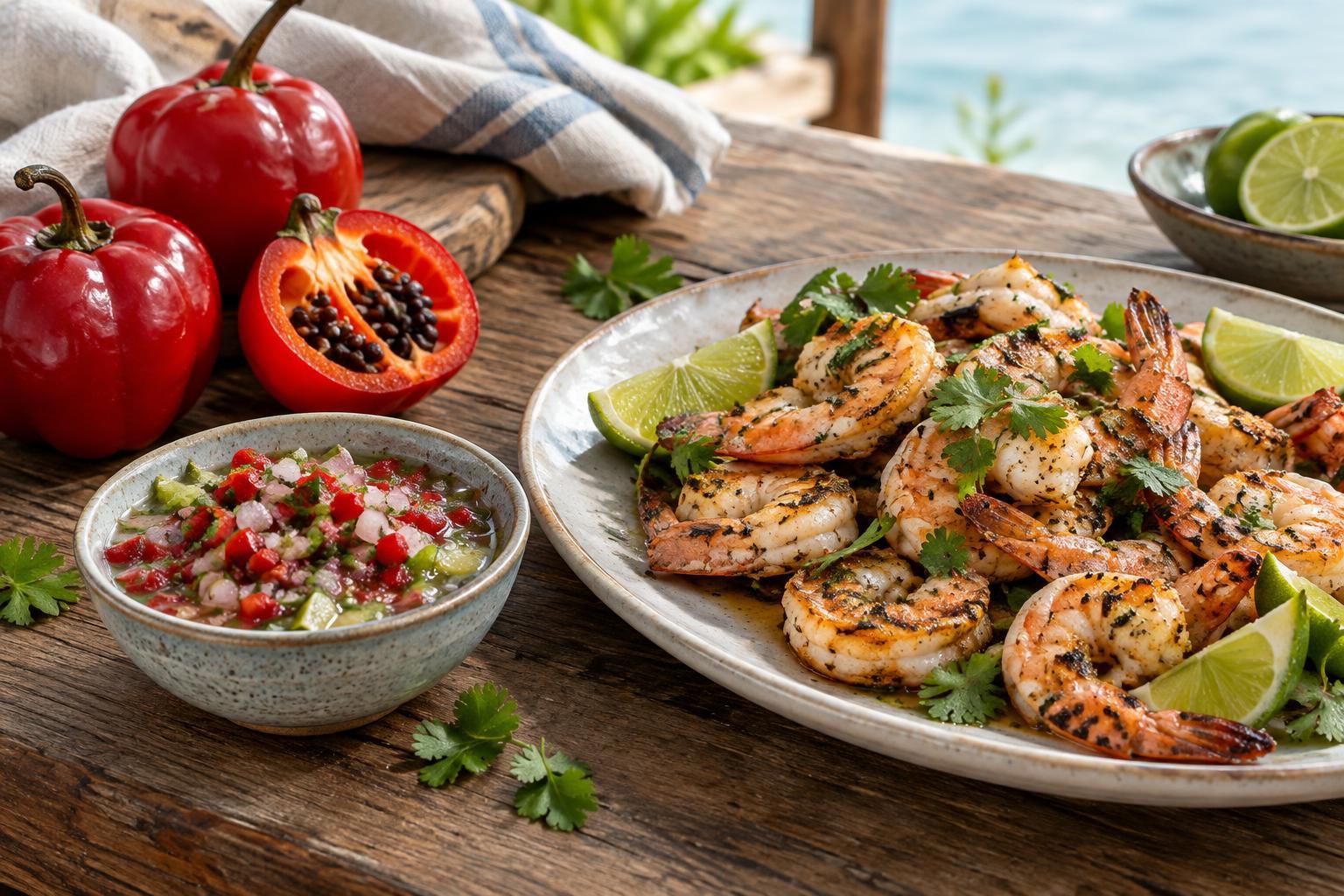
Rocoto is a chile used in parts of the Andes and along the Pacific coast of South America. It can look surprisingly like a small bell pepper: rounded, thick-walled, and often red when ripe, though other colors are available. Its dark seeds are another useful identifying feature. That familiar-looking shape can be misleading. Rocoto is a hot pepper, and its heat can be forceful even when the flesh tastes juicy and fruity.
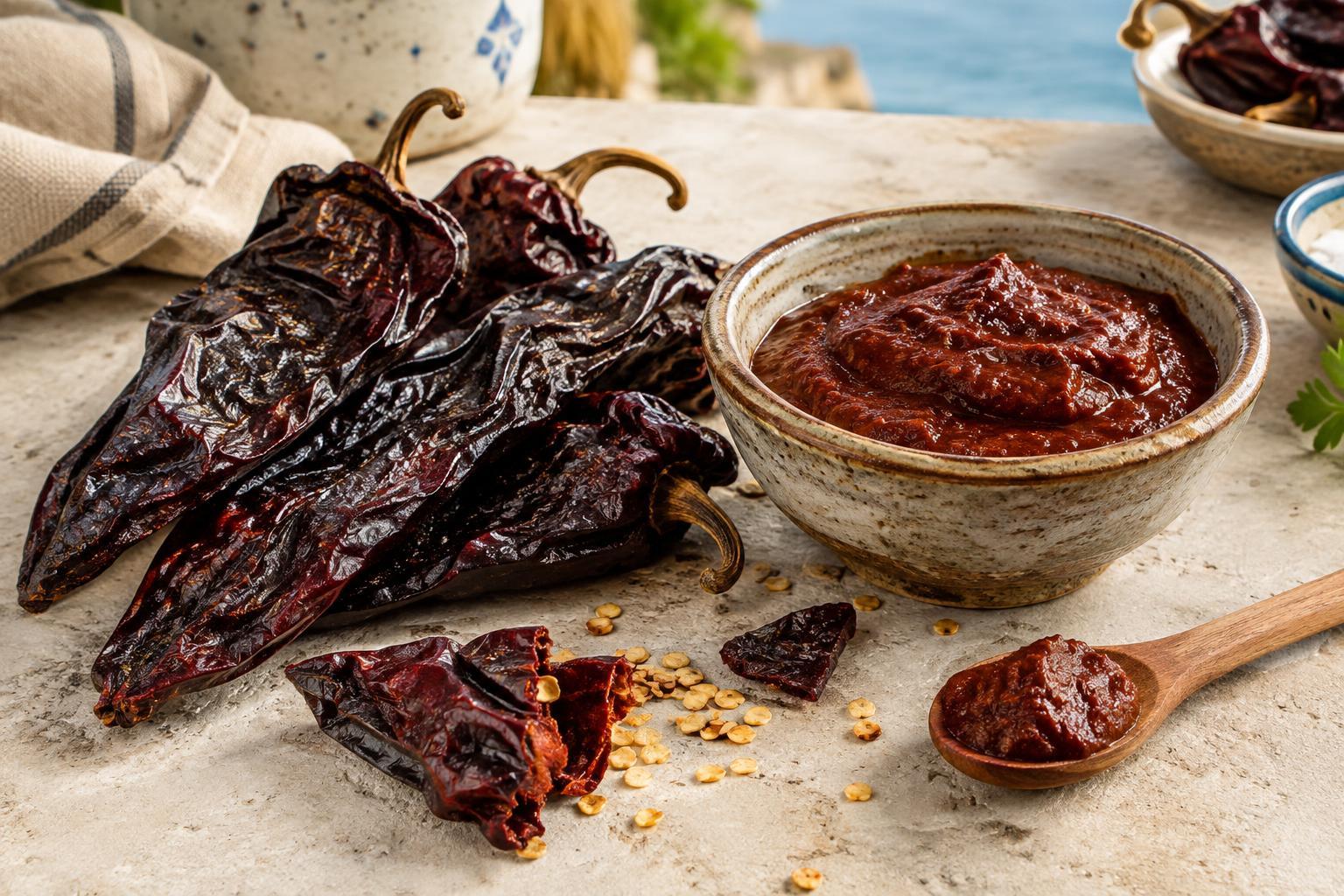
Look for rocoto fresh, frozen, or prepared as a paste, depending on what is available where you shop. Labels may also use the name locoto. If you buy a paste, read its ingredients before seasoning a dish; it may contain salt, oil, or other additions. Pepper heat varies from one fruit or product to another, so a spoonful that suited one batch of sauce may be too much for the next.
Start small and handle it carefully
For a condiment, treat rocoto as an accent rather than the main ingredient. Begin with a small piece of fresh pepper or a little paste, mix it thoroughly into the sauce, and taste before adding more. It is easier to build heat than to correct a sauce that has become too fiery. If you are cutting a fresh pepper, removing the seeds and pale inner ribs can help moderate the heat, but it will not make the flesh mild.
Wear gloves if you are sensitive to chiles or preparing several peppers. Wash your knife, board, and hands well afterward, and avoid touching your eyes. When tasting a new rocoto, try it diluted in the condiment rather than taking a bite of the raw pepper. Give the finished mixture a few minutes, then taste again: its acid, salt, and heat should work together, not compete for attention.
A citrus-rocoto condiment for cooked seafood
For a small bowl of sauce, stir together two tablespoons of fresh lime juice, one tablespoon of orange juice, two tablespoons of finely chopped red onion, one tablespoon of finely chopped cilantro, and a pinch of salt. Add about one-quarter teaspoon of rocoto paste, or a similarly small amount of very finely minced fresh rocoto. Stir, taste, and add more pepper a little at a time. A teaspoon of olive oil can soften the sharp edges if you prefer a rounder dressing.
Spoon the condiment over grilled fish, poached shrimp, or seared scallops just before serving. The citrus lifts the seafood’s flavor, while the onion gives it crunch and the rocoto supplies warmth. If the sauce is too hot, make a second batch without pepper and combine them; adding a little extra juice alone may make the sauce overly sour. You can also serve it on the side so each person controls how much they use.
Balance the pepper with other ingredients
Rocoto works especially well when it has something cool, sweet, or substantial beside it. Try a few drops of rocoto sauce on cooked fish with avocado, cucumber, or sliced tomato. Finely diced mango can bring sweetness to a seafood topping, though it is best added with a light hand so it does not hide the fish. For a heartier plate, offer the condiment alongside potatoes or corn, which give diners a welcome break from the heat.
Keep the texture suited to the dish. A finely minced pepper disperses through a spoonable relish; a smooth paste blends readily into a dressing. Larger fresh pieces create occasional bursts of heat, which may be enjoyable on a vegetable side but distracting on delicate seafood. Whatever form you choose, make the first addition modest.
Keep seafood safety separate from citrus flavor
A citrus-rocoto sauce is a flavoring, not a substitute for safe seafood handling. Keep seafood refrigerated, prevent raw seafood and its juices from contacting foods that are ready to eat, and cook seafood appropriately before adding this condiment if you want a cooked dish. Use clean utensils and a clean serving plate rather than reusing equipment that held raw seafood.
Citrus juice can change the texture and appearance of raw fish, as it does in ceviche, but citrus curing does not make raw seafood equivalent to cooked seafood or reliably remove its food-safety risks. For a bright seafood meal without serving it raw, cook the fish or shellfish first, then add the rocoto condiment at the table. You will still get the lively contrast of citrus, chile, and seafood.