What ají panca tastes like
Ají panca is a dried chile associated with Peruvian cooking. Rather than leading with sharp heat, it tends to add a gentle warmth and a rounded flavor that can suggest dried fruit, earthiness and a little sweetness. It also gives sauces and marinades a rich reddish color. The exact flavor and heat vary by product, so taste a small amount before deciding how much to add.
That balance makes ají panca useful when you want a chile to support other ingredients instead of overpowering them. It pairs well with garlic, onion, cumin and citrus, and it can give depth to beans, roasted vegetables, chicken or cooked seafood. Acidity can brighten its fruitiness; a little oil can help carry its flavor through a sauce.
Choosing ají panca paste
Paste is the convenient option when you want to stir ají panca into a weeknight meal. Look at the ingredient list before buying: some pastes are mostly chile and water, while others include salt, oil, vinegar or seasonings. Those additions are not necessarily a problem, but they change how you should season the finished dish. If the paste is salty or tangy, add it before adjusting salt or squeezing in citrus.
A smooth paste is easy to whisk into a marinade or simmer into a sauce. Start with a modest spoonful, cook it briefly with aromatics if the dish allows, then taste. Cooking can soften a paste’s raw edge and help it blend with the other ingredients. Follow the package directions for storage after opening, use a clean utensil each time and discard paste that shows signs of spoilage.
Choosing and preparing dried pods
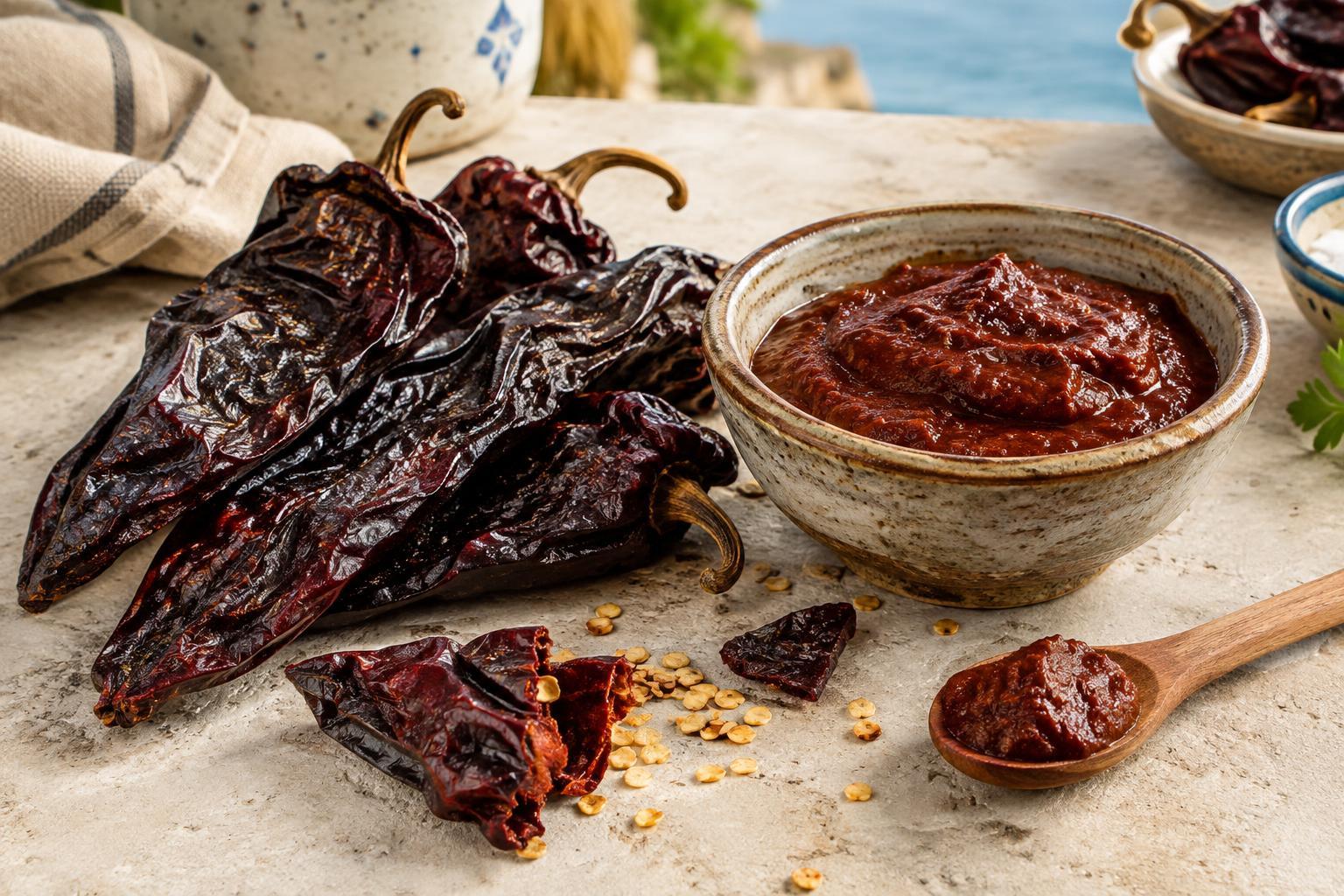
Dried pods offer more control over texture and seasoning, though they take a little preparation. Choose pods that look intact and reasonably pliable rather than dusty, brittle or visibly damaged. Keep them sealed in a cool, dry place, away from moisture. If a pod smells musty or shows mold, do not use it.
To make a simple chile purée, remove the stems and, if you prefer a smoother, gentler result, most of the seeds. Briefly warm the pods in a dry pan over moderate heat until fragrant, taking care not to scorch them. Cover with hot water until softened, then blend with a little soaking water or fresh water. Strain the purée if you want a silky sauce. You can use it as you would a plain paste, adding salt and acid separately so you can control the final balance.
Where to use it in a coastal kitchen
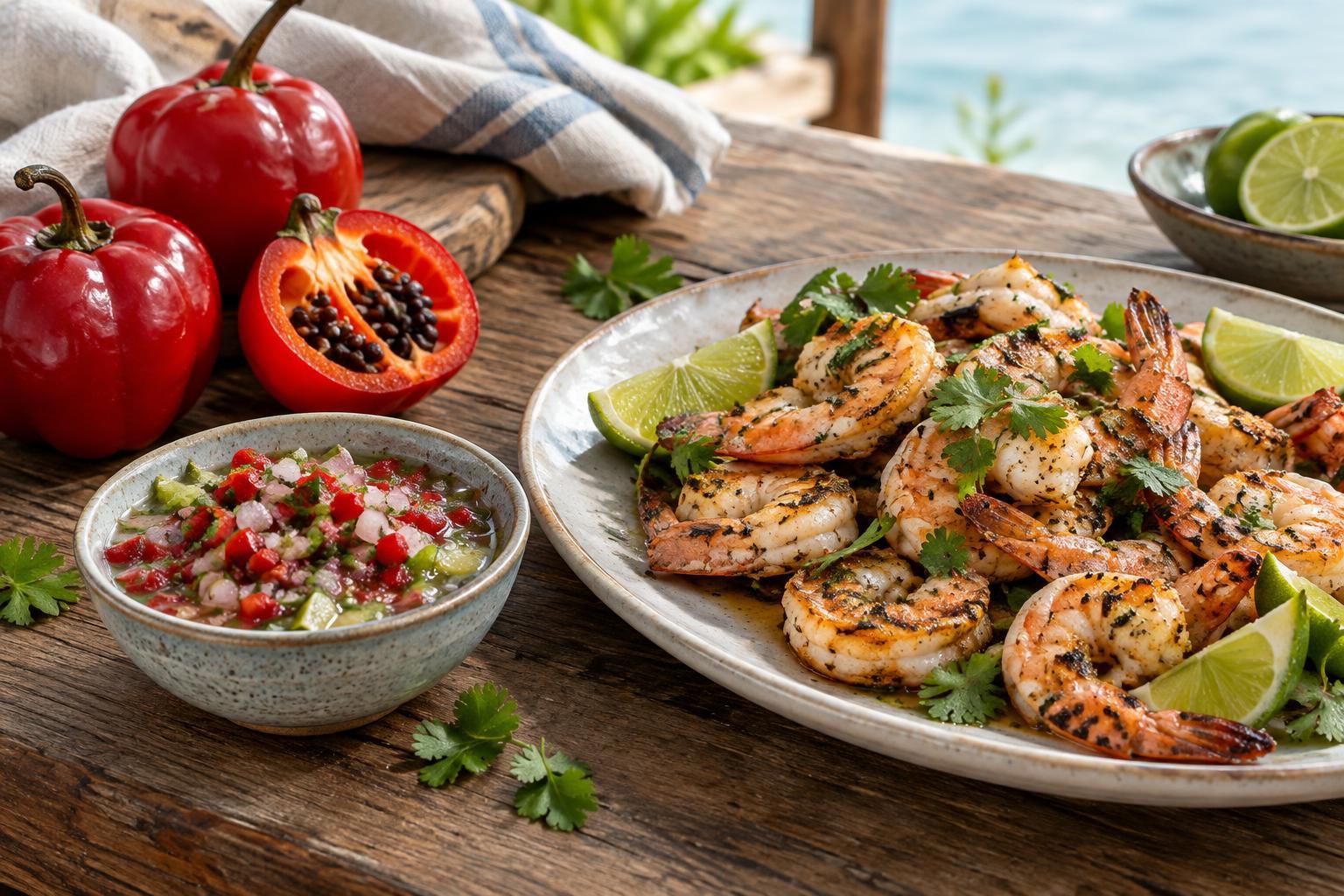
For a quick sauce for cooked fish or shrimp, soften garlic in a little oil, stir in ají panca paste or purée, and add enough water to make it spoonable. Simmer briefly, then finish with lime juice to taste. Spoon the sauce over the seafood after cooking, or serve it alongside rice and a crisp vegetable salad. Ají panca also works in a marinade for vegetables destined for the grill or oven; its color makes it easy to see where you have brushed it on.
Keep food handling separate from flavor building. If a marinade has touched raw seafood, do not use it as a finishing sauce unless you bring it to a thorough boil first; setting aside a clean portion beforehand is simpler. Citrus juice can change the texture and appearance of raw seafood, but citrus curing does not make it equivalent to cooked seafood. For a cooked-seafood dish, cook the seafood fully and add citrus for flavor.
Paste or pods: which should you buy?
Choose paste if speed matters or you use ají panca a spoonful at a time. Choose dried pods if you enjoy making sauces from scratch and want to decide how much water, salt and acid goes in. Neither form is automatically better: a well-chosen paste can be practical and flavorful, while pods reward a little extra time with flexibility.
Whichever form you bring home, think of ají panca as a foundation rather than a final seasoning. Build the dish, taste it, then adjust brightness, salt and richness. Its mild, fruity character is most useful when those elements have room to work together.