What is huacatay?
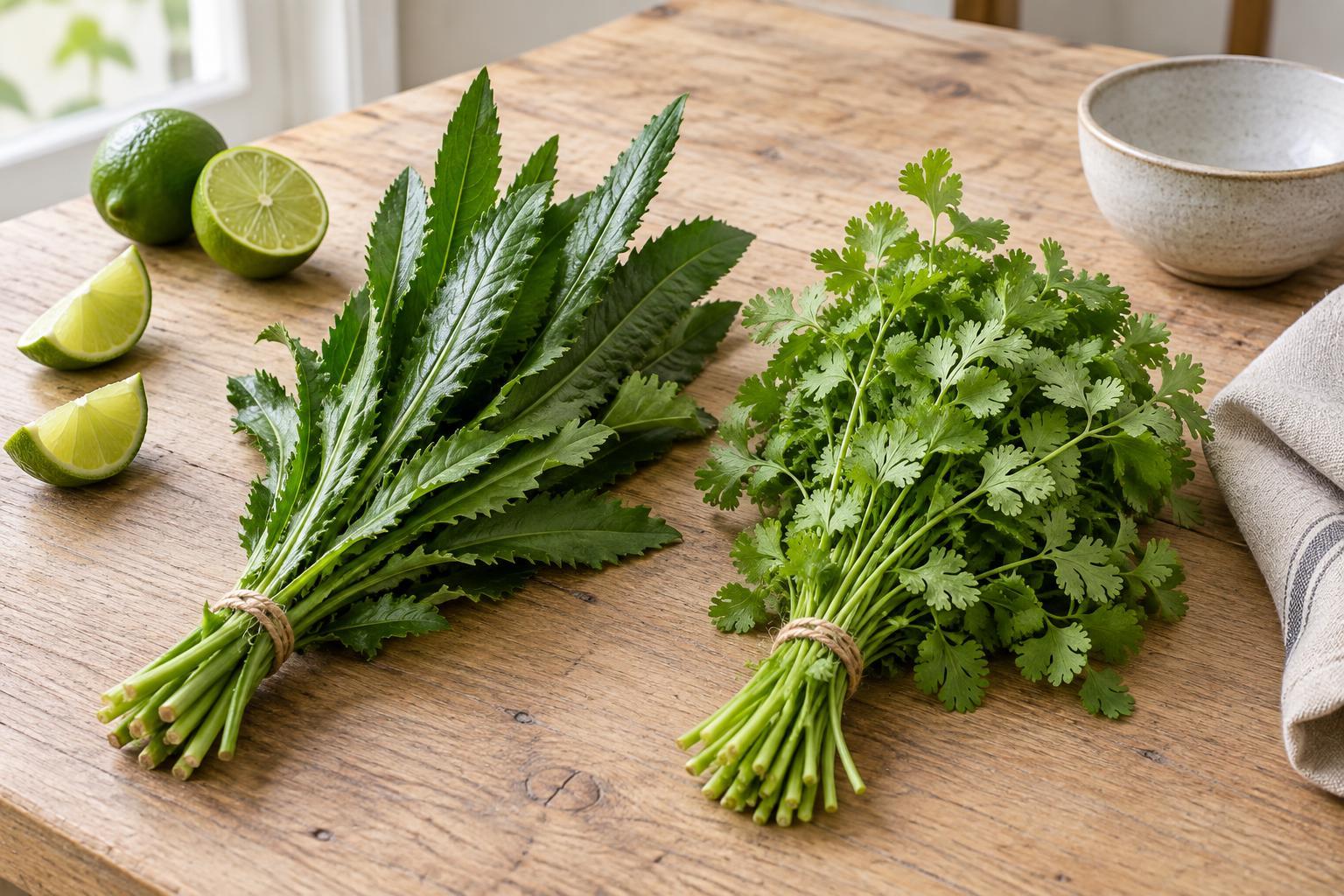
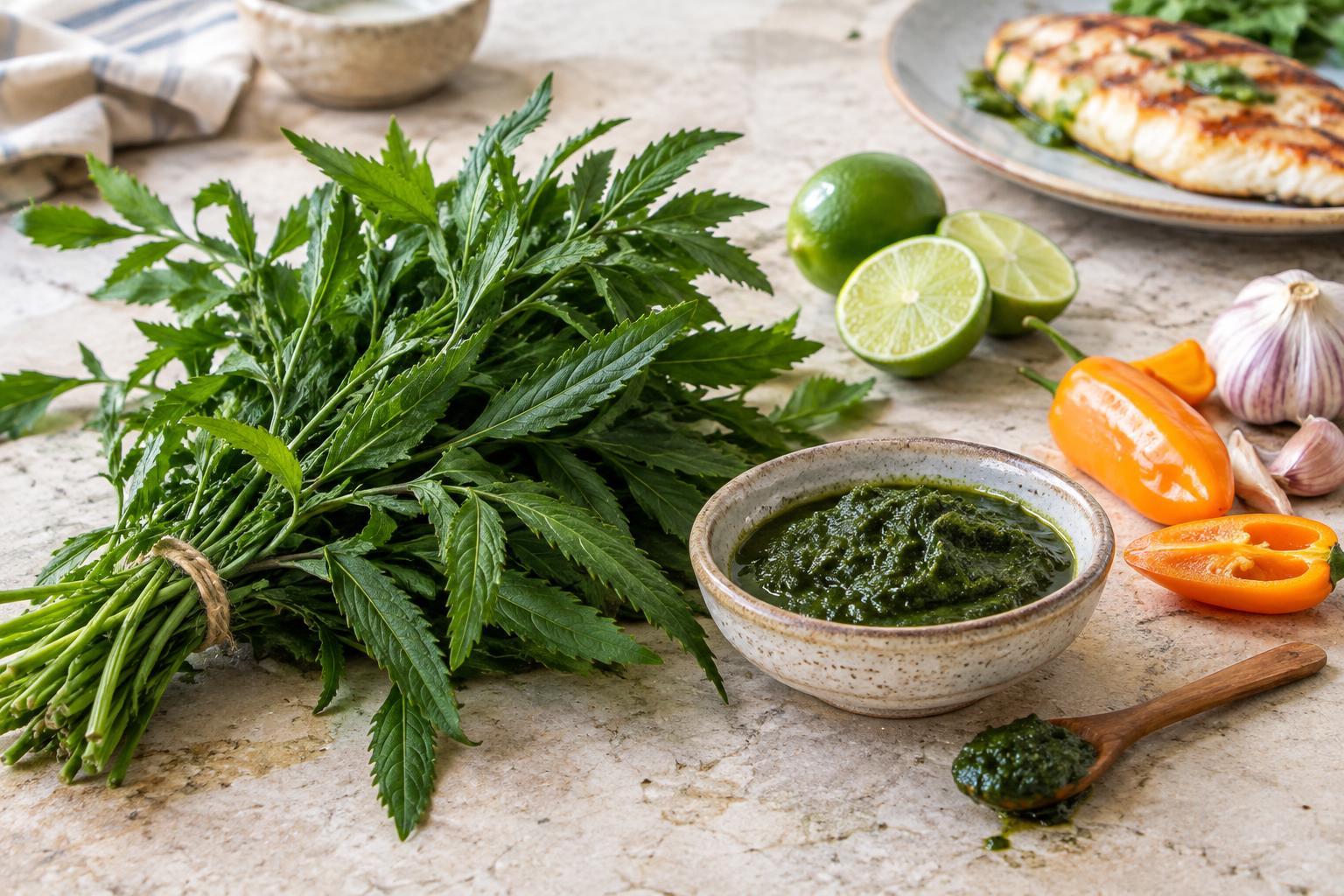
Huacatay, often called Peruvian black mint, is a fragrant herb used in Peruvian cooking. Despite the nickname, it is not the same plant as the mint commonly sold for tea or desserts. Its aroma is distinctive enough that a small amount can give a sauce its character.
Fresh huacatay can taste minty and green, with notes that may suggest basil, anise or tarragon. Some people notice a peppery or earthy edge, particularly in larger amounts. The flavor varies with the leaves and the preparation, so taste as you go rather than treating it like an ordinary handful of parsley.
Fresh leaves and paste: what changes?
Fresh leaves offer the brightest aroma. Tear or finely chop them just before use, then add them to a sauce or scatter a little over a finished dish. If you have enough leaves, blend them with other ingredients for a vivid green sauce. Start with a modest amount; you can add more after tasting.
Jarred or packaged huacatay paste is a practical option when fresh leaves are hard to find. It supplies concentrated herbal flavor, but it may not have the same fresh top notes. Ingredients differ among products: a paste may contain salt, oil or other seasonings. Check the label before salting your dish, and follow its storage directions once opened. Because pastes vary in strength, begin with a small spoonful and adjust.
Where huacatay fits in Peruvian-inspired cooking
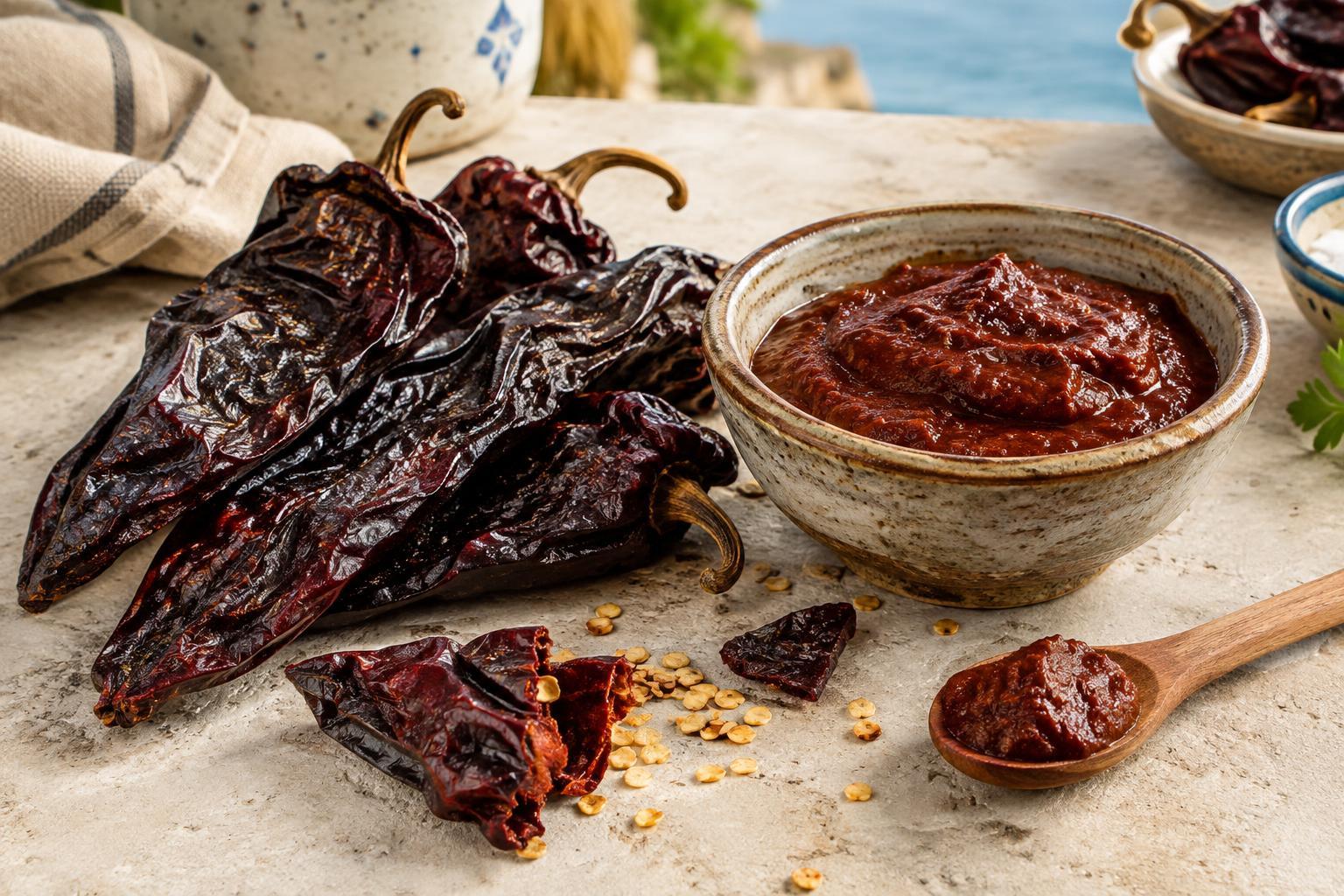
One familiar home for huacatay is ocopa, a creamy Peruvian sauce often served with potatoes. Recipes vary, but versions may bring together huacatay, ají amarillo, cheese, nuts or peanuts, and a thickener such as crackers. The herb cuts through the richness and helps make the sauce more than simply spicy. If you are using paste, blend in a little first, taste, and add more only if the other flavors still come through.
Huacatay also works in a green table sauce for grilled fish, chicken, roasted vegetables or boiled potatoes. Blend fresh leaves or a little paste with ingredients such as lime juice, oil and a creamy element, then adjust the balance to suit the meal. Its assertive flavor pairs particularly well with mild foods that give the sauce room to stand out.
For a simpler use, stir a small amount of chopped leaf into a potato salad or a dressing for beans. With paste, mix a little into a yogurt-based dip or a sauce for grilled corn. Adding huacatay gradually is easier than trying to soften an overly strong batch.
How to choose, store and substitute
Look for fresh leaves that smell aromatic and are not slimy or badly wilted. Keep them refrigerated and use them while they still smell lively. Wash fresh herbs under running water before using them, then dry them well if they are going into an oil-based sauce. Keep prepared sauces chilled and use clean utensils when serving them.
There is no exact substitute for huacatay. If you cannot find it, a small blend of mint and basil can provide some herbal freshness, while a touch of tarragon may hint at its anise-like side. Use a light hand: the result can be delicious, but it will taste different. If huacatay is central to the dish, paste is usually a closer option than an herb swap.
Using huacatay around seafood
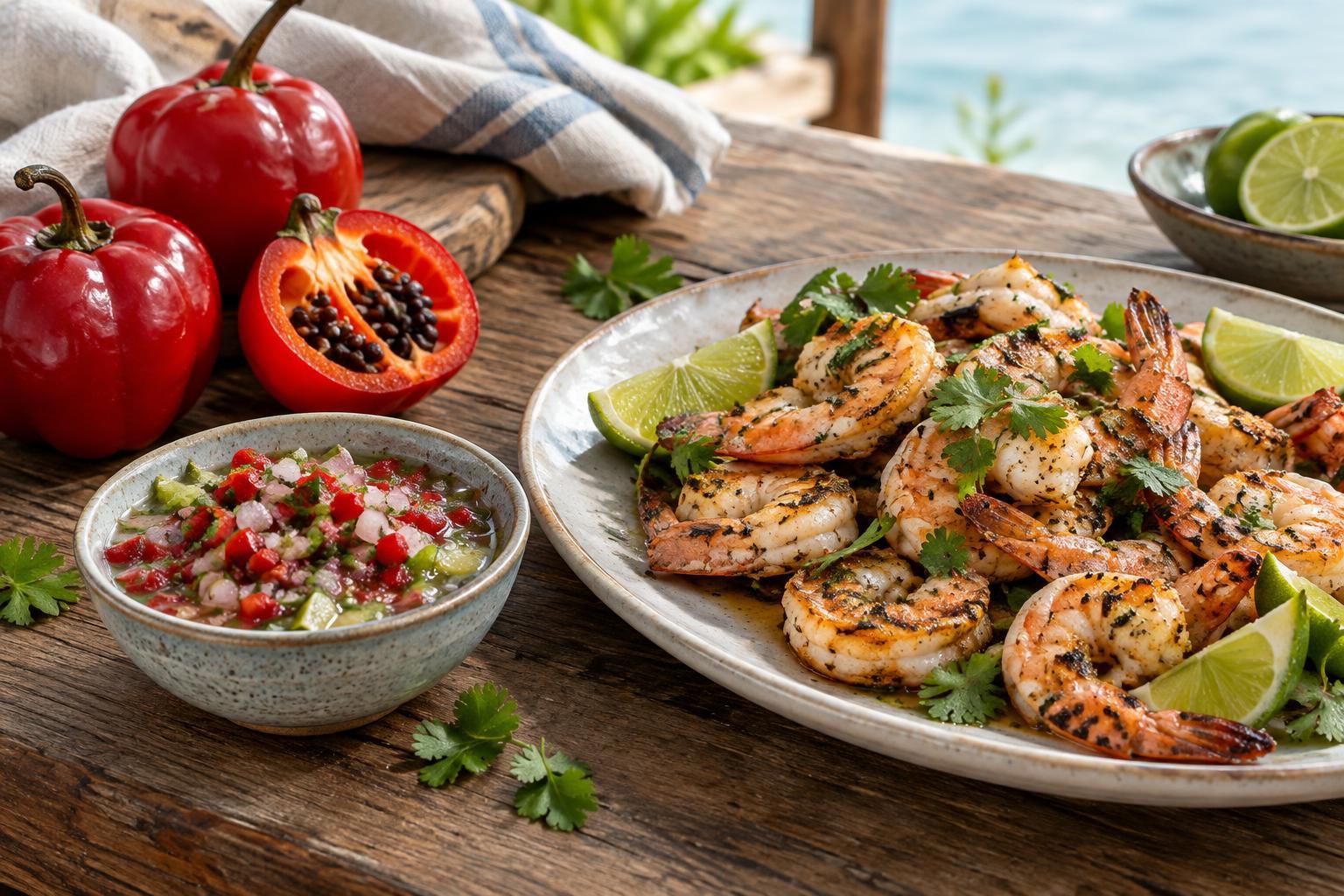
Huacatay can complement seafood without overwhelming it when used sparingly. Try it in a separate sauce alongside simply cooked fish or shrimp, or add a little to a vegetable side served with seafood. Keeping the herb in a sauce lets everyone choose how much of its strong flavor they want.
If serving huacatay with ceviche or another dish containing raw seafood, handle the seafood carefully: keep it cold, avoid cross-contamination and follow appropriate guidance for selecting and preparing fish intended to be eaten raw. Lime juice changes the seafood’s texture, but citrus curing does not make raw seafood equivalent to cooked seafood. When in doubt, choose cooked seafood and add the huacatay sauce at the table.