Two herbs with different strengths
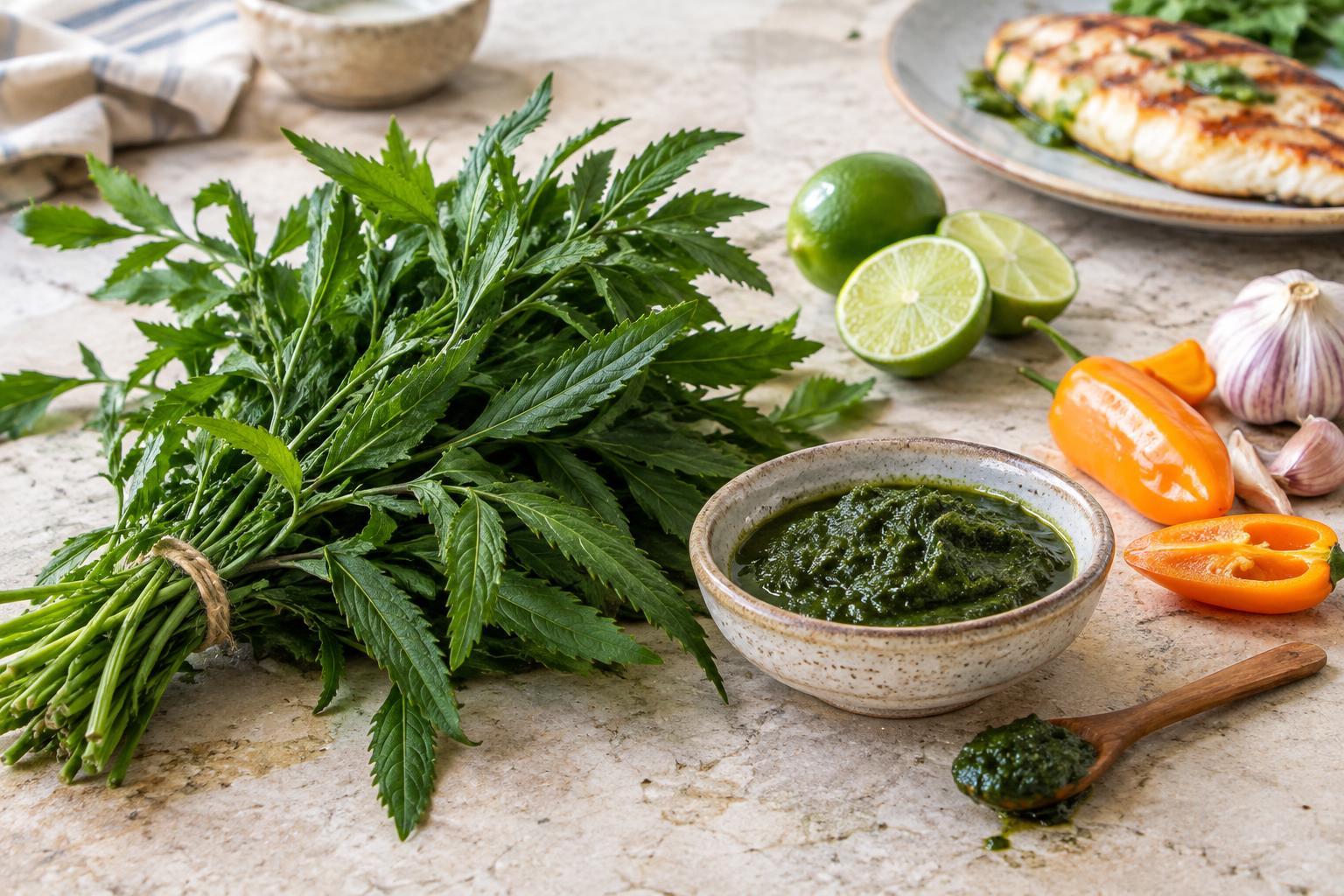
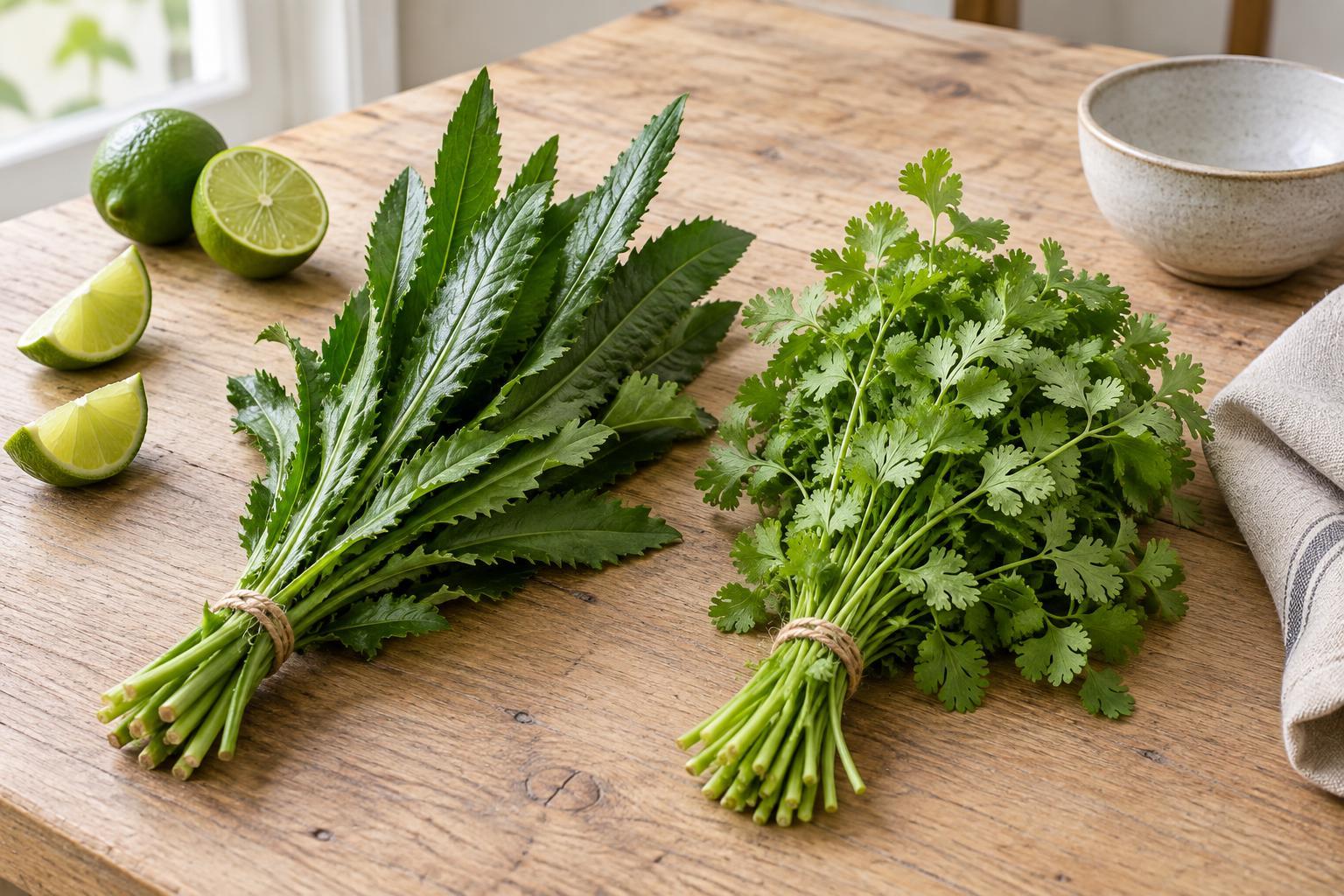
Culantro and cilantro have similar-sounding names, but they are different plants. Cilantro is the leafy part of the coriander plant, with delicate stems and divided, frilly leaves. Culantro has long, sturdy leaves with serrated edges. Both can bring a lively green flavor to food, but they do not behave the same way in a pot or on a plate.
Cilantro tastes bright and fresh, with a soft texture that suits a final scatter over a dish. Its flavor can be polarizing; some people perceive a soapy note. Culantro has a deeper, more forceful herbal aroma and a tougher leaf. Its intensity varies, so taste a small piece before adding a generous handful. Neither herb is a perfect substitute for the other, though either can contribute freshness when used thoughtfully.
When to choose culantro
Culantro works well when an herb needs to stand up to other strong flavors. Finely chopped or blended, it can add depth to sofrito-style aromatic bases, seafood stews, bean dishes and sauces with garlic, onion and peppers. Add a little early in cooking to spread its flavor through a broth or sauce, then taste before adding more. You can also use it raw, but chopping it very finely makes the firm leaves easier to eat.
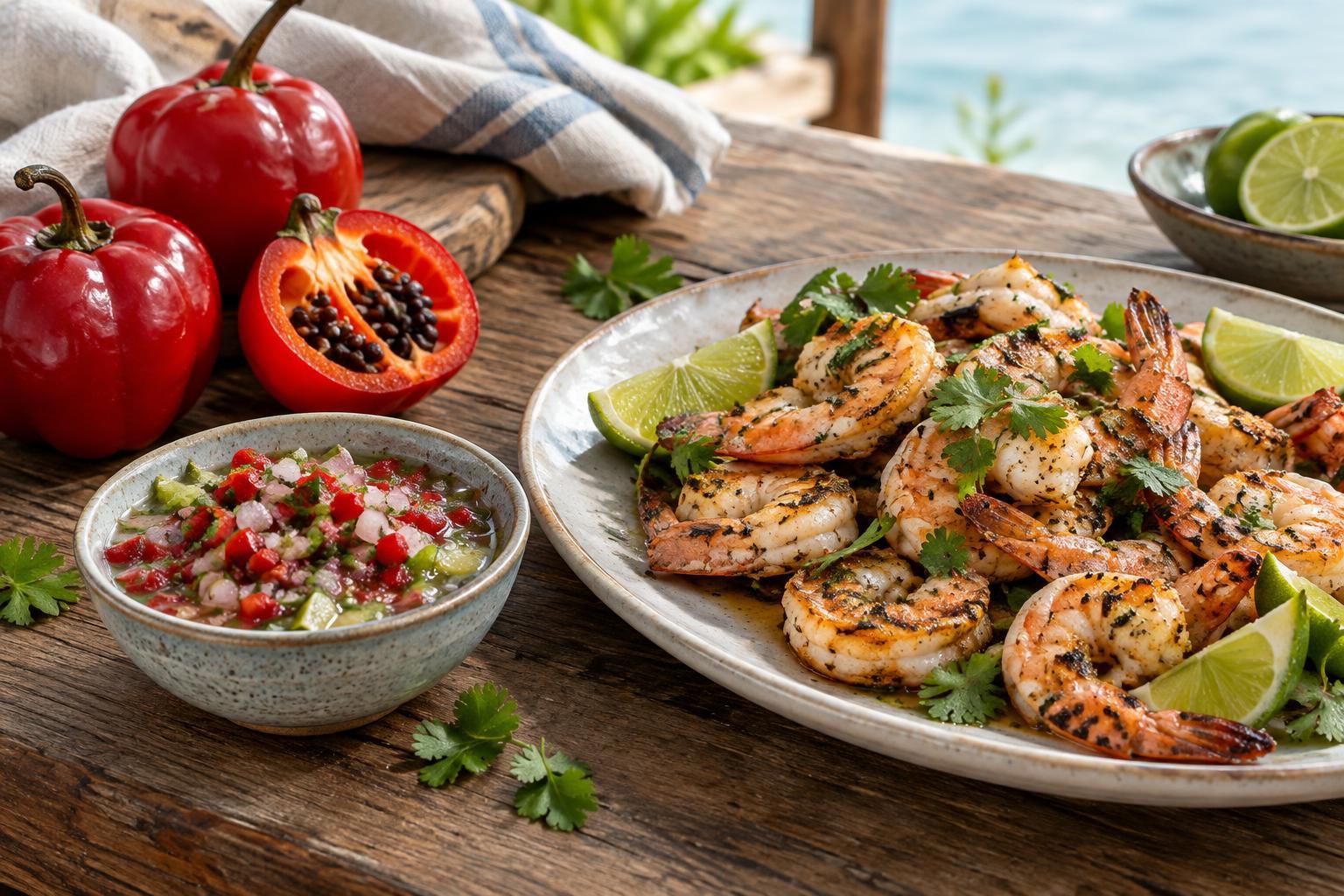
In a coastal-style fish soup, for example, culantro can sit comfortably alongside tomato, chile and a squeeze of lime added at the table. It is also useful in a green sauce served with cooked shrimp or grilled fish. Start with a modest amount: adding more is easier than trying to quiet an herb that has taken over the dish.
When cilantro is the better finish
Cilantro is especially useful where a dish needs a light, fresh finish. Sprinkle chopped leaves and tender stems over grilled fish, rice, roasted vegetables or a citrus-dressed salad just before serving. Stir it into a cool salsa with tomato and onion, or blend it into a dressing for a vegetable side. Longer cooking tends to soften its fresh character, so save some for the end even if you also use it in the base.
For a ceviche-style dish, cilantro can add color and herbal flavor without overwhelming the citrus, chile or seafood. Prepare and keep seafood chilled, use clean utensils and follow safe handling practices for the type of seafood you are serving. Citrus changes the texture and appearance of raw seafood, but citrus curing does not make raw seafood equivalent to cooked seafood or eliminate every food-safety risk. If you prefer not to serve raw seafood, try the same flavors with thoroughly cooked, chilled shrimp or fish.
How to substitute without losing balance
If a recipe calls for culantro and you have only cilantro, use the tender leaves and stems, then add some near the end of cooking for a clearer herbal note. You may need more cilantro to make its presence noticeable in a robust stew, but taste as you go rather than matching amounts by sight. If a recipe calls for cilantro and you have only culantro, begin with much less, mince it finely and consider mixing it into a sauce instead of scattering large pieces over the finished dish.
The surrounding ingredients matter as much as the herb. Lime, garlic, onion and chile can help either one feel at home in a coastal-inspired meal, but they will not make the two taste identical. If the herb is central to a recipe, such as a cilantro-heavy salsa, waiting until you can find it may give you a better result. For a soup or sauté where the herb plays a supporting role, a careful substitution is usually easier.
Buying, cleaning and storing the leaves
Look for cilantro with lively green leaves and stems that are not slimy. Choose culantro leaves that look firm rather than wilted, and avoid bunches with extensive dark, soft patches. Once home, remove any damaged leaves. Wash herbs before use under running water, paying attention to the grooves and edges of culantro leaves, then dry them well so they do not dilute a sauce or dressing.
For short-term storage, loosely wrap clean, dry herbs in a paper towel and place them in a container or bag in the refrigerator. Check them periodically and remove leaves that begin to spoil. Cilantro can also be kept with its stem ends in a little water, loosely covered and refrigerated; change the water if it clouds. To save extra herbs for cooked dishes, chop and freeze them in small portions. Frozen leaves will lose their crisp texture, but they can still flavor a soup, sauce or aromatic base.