Two cheeses, two finishing styles
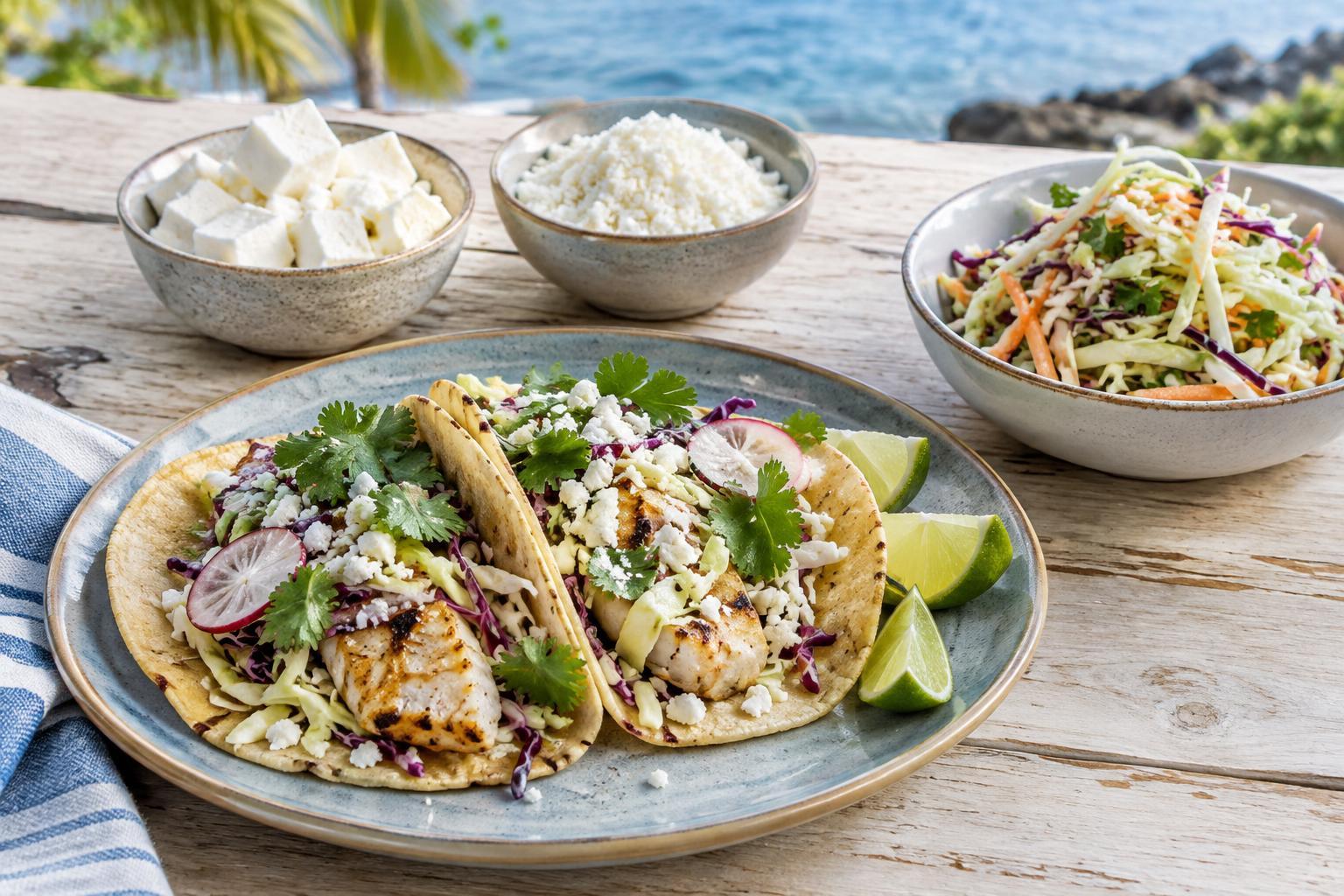
Queso fresco and cotija can both finish a plate with a scattering of white cheese, but they do different jobs. Queso fresco is a fresh, moist cheese with a mild flavor and a tender crumble. It adds a creamy contrast to bright salsas, chiles, and crisp vegetables without dominating them.
Cotija is generally drier, firmer, and saltier. It can be crumbled or grated into small pieces that cling to corn, greens, and sauces. Its more assertive flavor means a little may be enough. Texture and saltiness vary by producer, so taste a small piece before deciding how much to add—especially if the dish already contains olives, capers, or a salty sauce.
How to choose a pasteurized cheese
At the store, check the package rather than relying on the cheese’s name or appearance. Look for a clear statement that the cheese is made with pasteurized milk. If a cheese is sold from a counter or repackaged without its original label, ask to see the ingredient information or choose a labeled package instead. This is particularly useful when buying queso fresco, whose high moisture makes careful handling important.
Pasteurization is a useful selection step, not a substitute for refrigeration and cleanliness. Buy cheese from a refrigerated case, follow the package’s storage and use-by instructions, and put it back in the refrigerator promptly after serving. Keep it at 40°F (4°C) or colder. Use clean utensils to remove what you need, and avoid returning cheese that has sat on a serving platter to the original package.
Anyone who needs to take extra precautions with foodborne illness should check the label and follow the guidance relevant to their circumstances. If pasteurization or storage history is uncertain, choose another topping rather than guessing.
Match the cheese to the dish
Use queso fresco when you want soft contrast. Crumble it over warm black beans, grilled zucchini, roasted sweet potatoes, or a tomato and cucumber salad just before serving. On fish tacos made with fully cooked fish, its mildness leaves room for lime, cabbage, and a punchy chile sauce. Add it after the hot ingredients come off the heat so the crumbles remain distinct.
Reach for cotija when a dish needs a salty finishing accent. Grate or finely crumble it over grilled corn, charred peppers, avocado, or roasted cauliflower with lime. It also works over fully cooked shrimp tucked into tortillas with crunchy slaw. Start with a light sprinkle, taste, then add more if needed; the goal is to sharpen the other flavors, not cover them.
Neither cheese needs to appear on every coastal-inspired plate. A simple squeeze of citrus or a spoonful of salsa may be the better finish when a seafood dish already has delicate flavors.
Build balance with citrus and crunch
These cheeses work best when the rest of the topping has a purpose. Lime or another citrus juice brings brightness; sliced radish, cabbage, or cucumber brings crunch; herbs add freshness. For a quick vegetable side, toss grilled corn and peppers with lime, spoon them into a bowl, and finish with cotija. For a gentler salad, pair tomatoes and cucumber with herbs and a modest crumble of queso fresco.
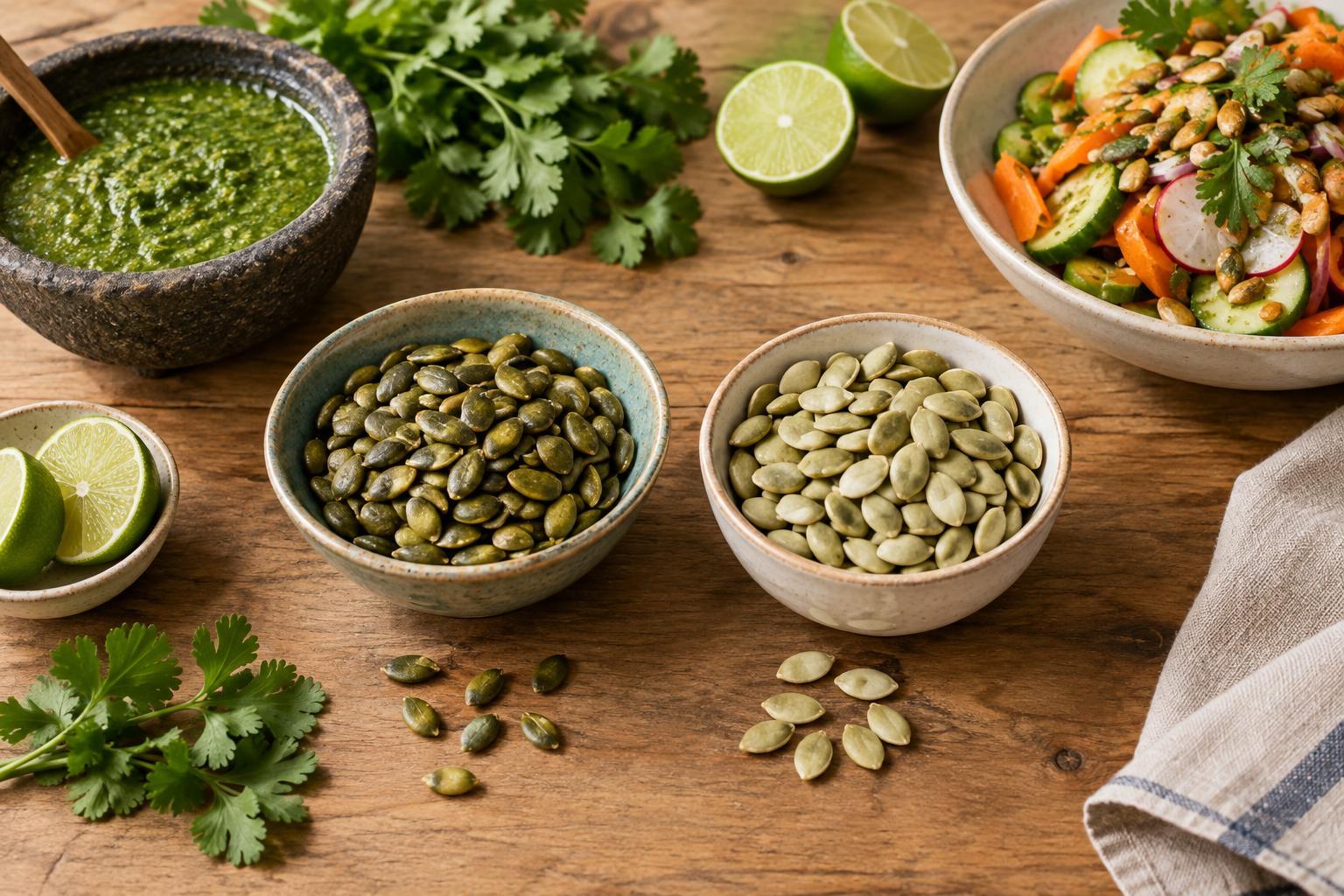
If you are serving several dishes, put the cheese in a small chilled bowl with its own spoon and let guests add it at the table. This keeps crisp toppings from becoming damp and makes it easy for guests to choose how much cheese they want. Serve a separate cheese-free bowl of herbs or toasted seeds for anyone who prefers a different finish.
Keep seafood preparation separate from the garnish
Cheese can be a pleasant topping for cooked seafood, but it does not change how seafood should be handled. Keep seafood cold, prevent raw seafood juices from contacting ready-to-eat cheese or vegetables, and use separate clean utensils and surfaces. Add cheese only after the seafood and other components are ready to serve.
For dishes made with raw or citrus-marinated seafood, remember that citrus curing changes texture and appearance but does not make raw seafood equivalent to cooked seafood. A cheese topping cannot address that difference. If you want the flavors of a citrusy coastal dish without serving raw seafood, use properly cooked fish or shrimp, cool it safely, and add citrus, vegetables, and your chosen cheese just before serving.