What makes a good salsa criolla
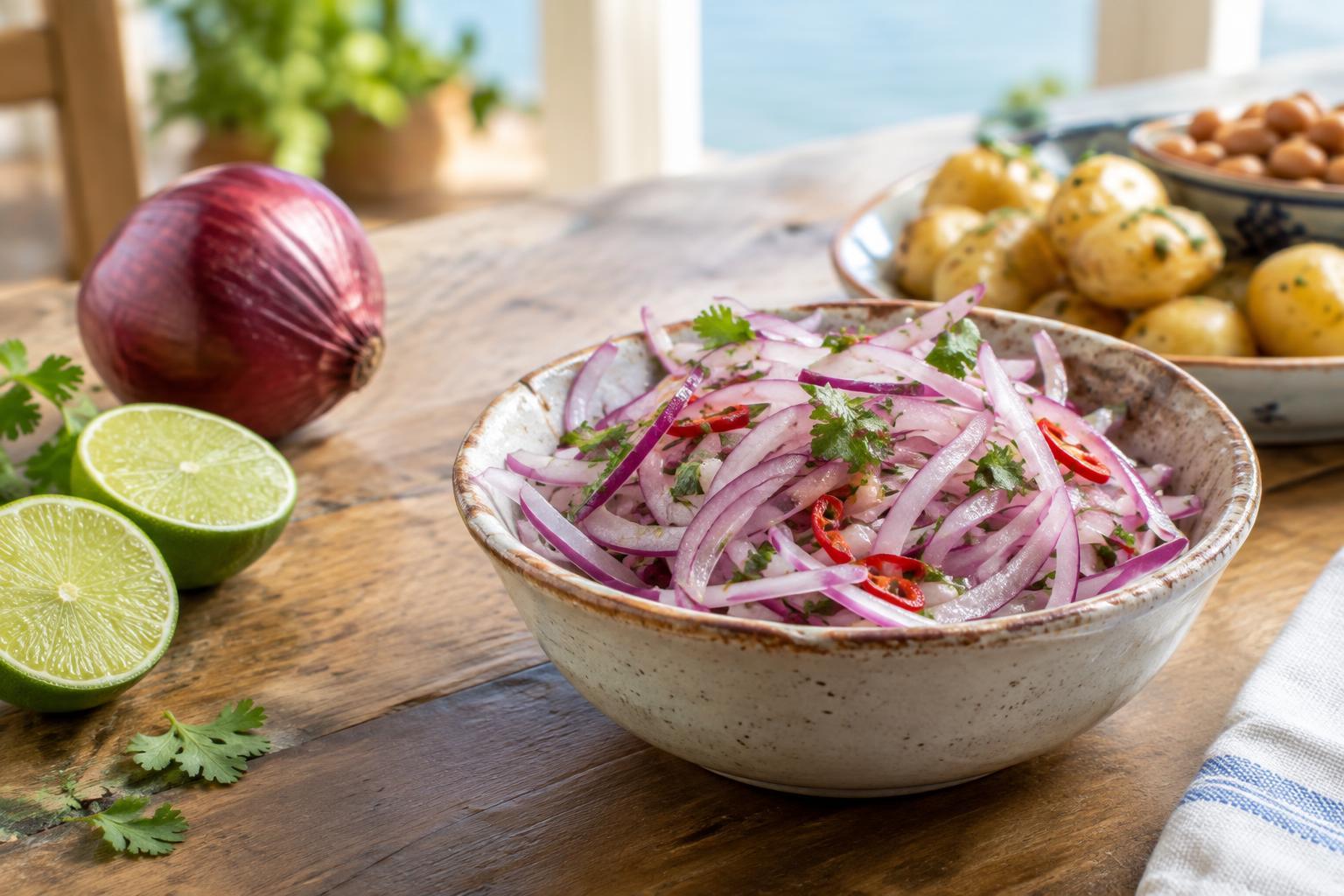
Peruvian salsa criolla is a simple onion relish built around thinly sliced red onion, lime and a little heat. Versions vary by household and by the dish they accompany: some include cilantro, while others let the onions and chile do most of the work. Served beside fish, potatoes, beans or grilled food, it adds acidity and crunch rather than the weight of a thick sauce.
The challenge is balance. Raw onion can taste sharp enough to overwhelm a delicate dish, but leaving it too long in lime juice can make it limp. The most reliable approach is to slice the onion thinly, briefly rinse away some of its bite, drain it thoroughly and add the lime close to serving time. You can then adjust the seasoning by taste instead of relying on a fixed amount of juice.
Slice for crunch, then soften the bite
Start with one firm red onion. Trim and peel it, then cut it in half from root to stem. Slice each half into thin crescents, roughly even in thickness, using a sharp knife or a carefully handled mandoline. Thin slices are pleasant to eat with a forkful of food; slices that are nearly transparent, however, can lose their crunch quickly. Separate the crescents with your fingers so they rinse and dress evenly.
Put the onion in a bowl of cold water, swish it gently and let it stand for about five to ten minutes. This short soak can mellow some of the raw edge without trying to remove all the onion flavor. If your onion tastes especially strong, change the water once and taste a strand before deciding whether it needs a little longer. Avoid a prolonged soak if you want a lively, assertive relish.
Drain the onion well in a colander, then shake off excess water or spread the slices briefly on a clean towel. This step matters: water left clinging to the onion dilutes the lime and makes the finished salsa taste flat. Do not squeeze the slices dry, which can bruise them.
Dress lightly and season to taste
For one onion, begin with the juice of one lime and a small pinch of salt. Toss gently and taste an onion slice. Add more lime if it needs brightness, or a little more salt if the flavors seem muted. Limes vary in size and sharpness, so tasting works better than treating any ratio as a rule. The onion should be coated, not submerged.
For heat, add a small amount of finely sliced ají amarillo, another fresh chile you enjoy, or a modest spoonful of chile paste. Fresh cilantro leaves are optional; add them just before serving to keep their flavor distinct. If the salsa tastes too sharp, first check whether it needs a bit more salt or a few minutes to settle. Adding large amounts of lime to mask harsh onion usually makes the balance worse.
Let the dressed onions sit for about five to fifteen minutes while you finish the rest of the meal. They will soften slightly but should still have a snap. A long rest changes the texture and draws out more liquid. That may be welcome for a softer relish, but for crisp salsa criolla, dress only what you expect to serve soon.
Serve it where acidity and texture help
Spoon salsa criolla beside, rather than over, a dish if you want everyone to control how much they add. It is especially useful with fried or grilled fish, roasted sweet potatoes, beans, rice or simply cooked vegetables. Its lime and onion can lift rich foods, while the crisp slices provide contrast to softer ingredients.
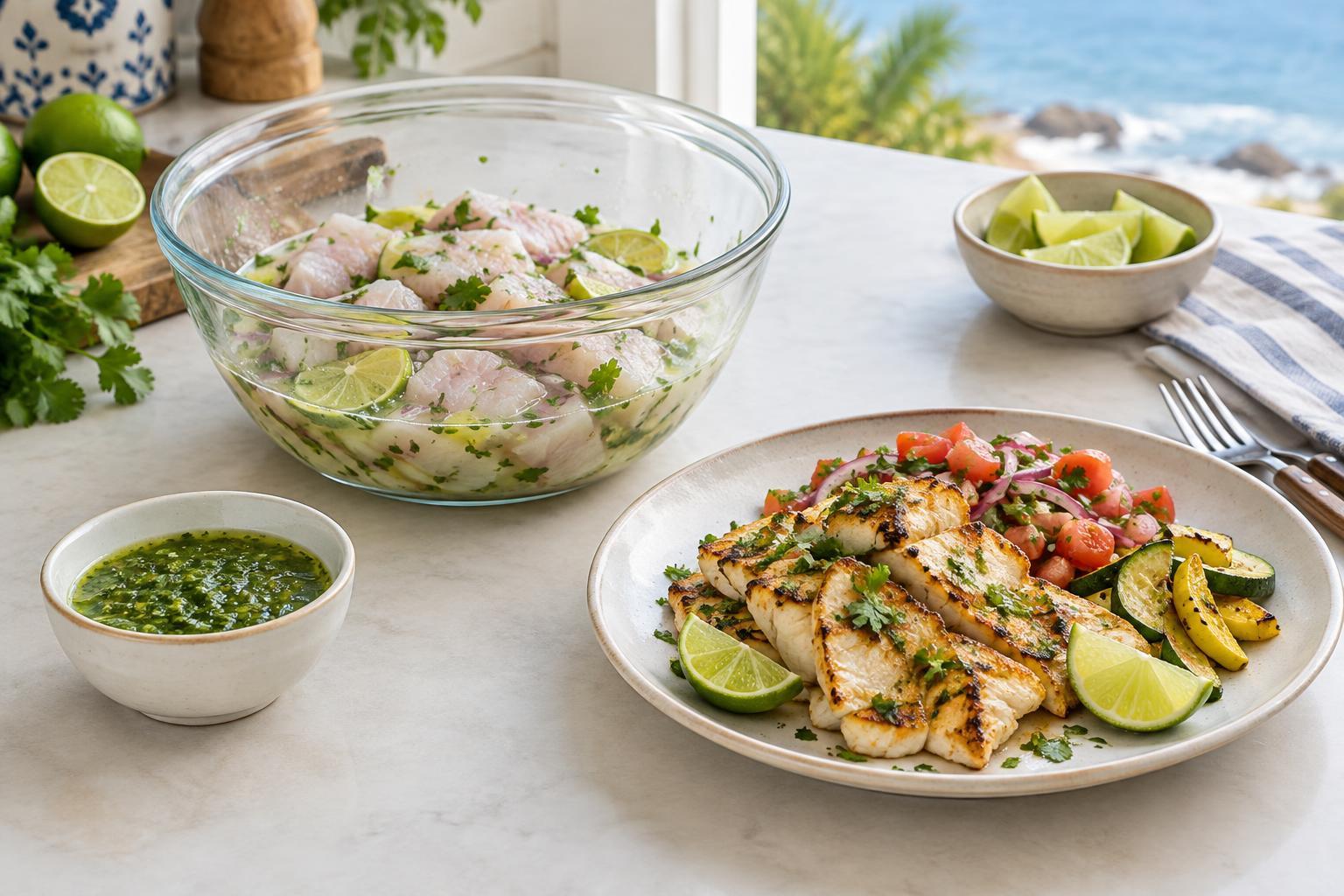
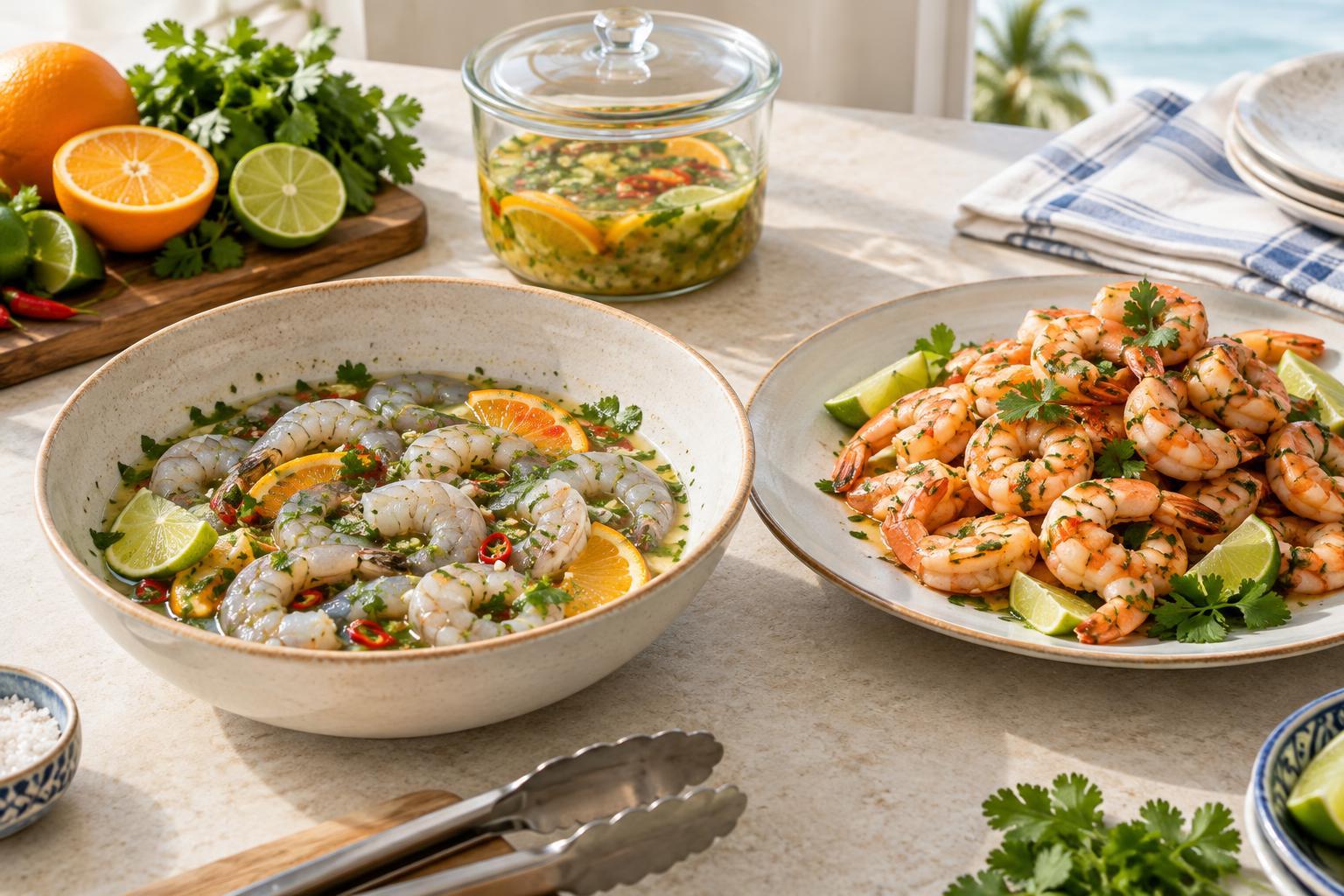
If you are preparing a seafood meal, use separate, clean boards and utensils for raw seafood and ready-to-eat salsa. Keep seafood chilled until you are ready to prepare it, and follow appropriate cooking and storage practices for the dish you are making. Lime juice changes the texture of raw seafood, but citrus curing does not make raw seafood equivalent to cooked seafood or remove every food-safety risk.
Make-ahead choices and leftovers
For entertaining, slice and rinse the onion ahead of time, drain it thoroughly and refrigerate it in a covered container. Keep the lime, salt, chile and herbs separate until shortly before serving. This divides the work without sacrificing the texture that makes the salsa appealing.
Refrigerate leftover dressed salsa promptly in a covered container. It can still be useful the next day, though the onions will usually be softer and the liquid more pronounced. Drain off excess liquid if needed, taste again and use it as a topping for beans or a grain bowl rather than expecting the same crispness as a freshly dressed batch.