Choose a thawing method before you start
Frozen seafood can make a coastal-inspired dinner easier to plan, whether you are preparing fish with a citrus sauce, shrimp tacos or a pot of seafood soup. The key is to thaw it while keeping it cold. The refrigerator is the simplest choice when you can plan ahead. A cold-water bath is useful when dinner is closer than expected and you can pay attention to the seafood as it thaws.
Check the package first for handling instructions. Keep frozen seafood frozen until you are ready to thaw it, and take out only what you expect to use. A thin fillet and a thick block of shrimp will not thaw at the same pace, so allow enough time rather than trying to speed the process with warm water or a kitchen counter.
Thaw in the refrigerator for the easiest approach
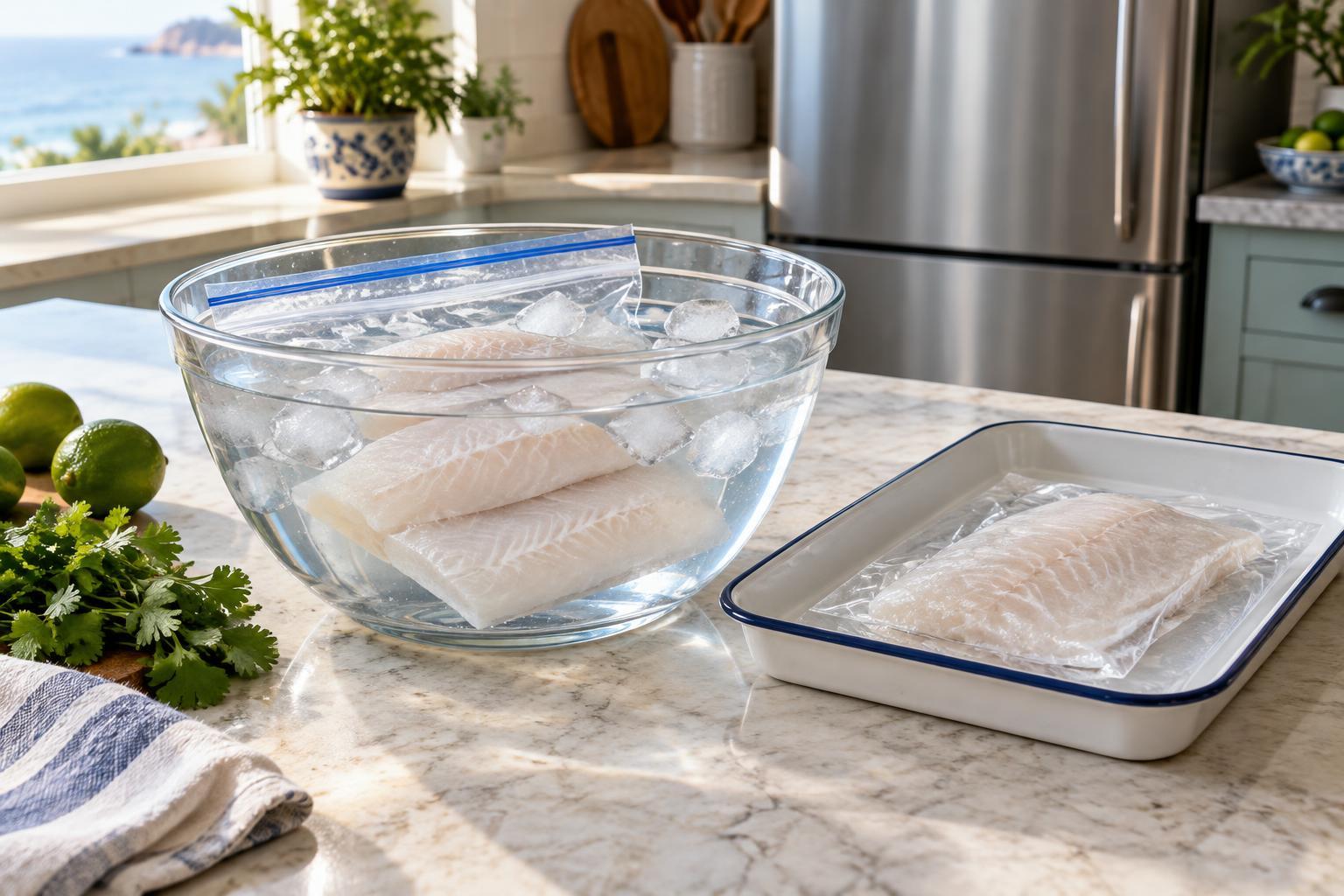
Set your refrigerator to 40°F (4°C) or colder. Place the seafood in a covered container or on a rimmed plate to catch drips, then put it on a low shelf away from foods that will be eaten without cooking. Small portions may thaw overnight; thick pieces or tightly packed seafood can take longer. Check the center before cooking, since the outside may feel soft while the middle is still frozen.
Pay particular attention to vacuum-sealed fish. Follow the package directions, and remove fish from vacuum packaging before thawing it in the refrigerator. Transfer it to a covered container that can catch any liquid. Once thawed, prepare the seafood promptly and keep it refrigerated until you cook it. If plans change, seafood thawed safely in the refrigerator can generally be refrozen, though its texture may suffer.
Use cold water when you need seafood sooner
For a faster thaw, put the seafood in a leakproof bag and submerge it in cold tap water. If it came vacuum-sealed, remove that packaging first and use a clean leakproof bag for the water bath. Change the water about every 30 minutes so it stays cold. Keep the bag submerged with a plate if it floats, and check periodically to see whether the seafood has thawed through.
This method needs more attention than the refrigerator because the seafood should not be left sitting in warming water. Cook it immediately after it thaws. If you decide not to make the planned dish, cook the seafood before freezing it again. Avoid hot water: it can warm the outer layers while the center remains icy.
Handle thawed seafood with care
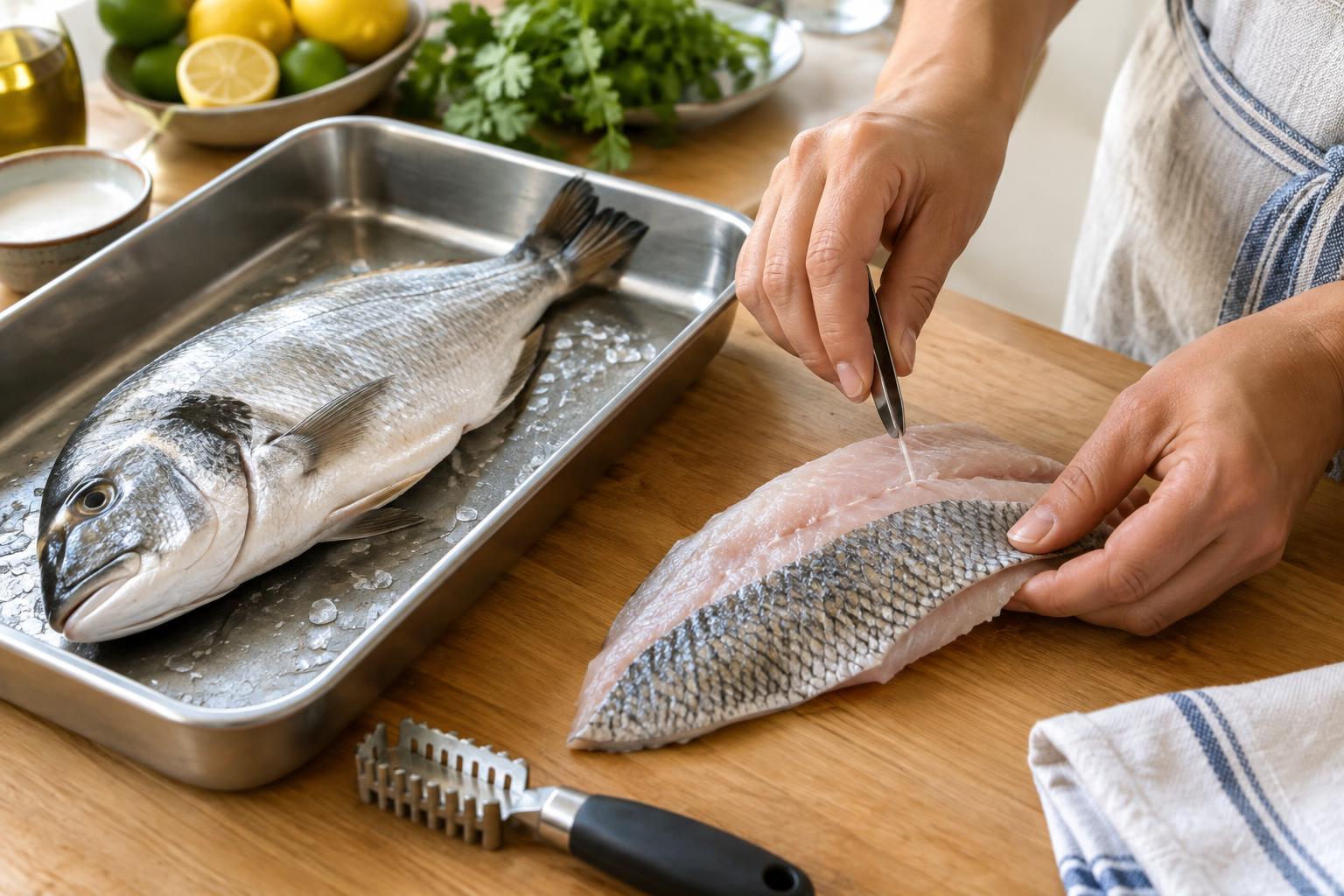
Thawing is only one part of safe preparation. Wash your hands after handling raw seafood, and clean utensils, cutting boards and surfaces before using them for herbs, fruit or other ready-to-eat ingredients. Keep raw seafood and its juices separate from foods that will not be cooked. If seafood has an off odor, unusual discoloration or other signs of spoilage, do not use it; thawing will not restore it.
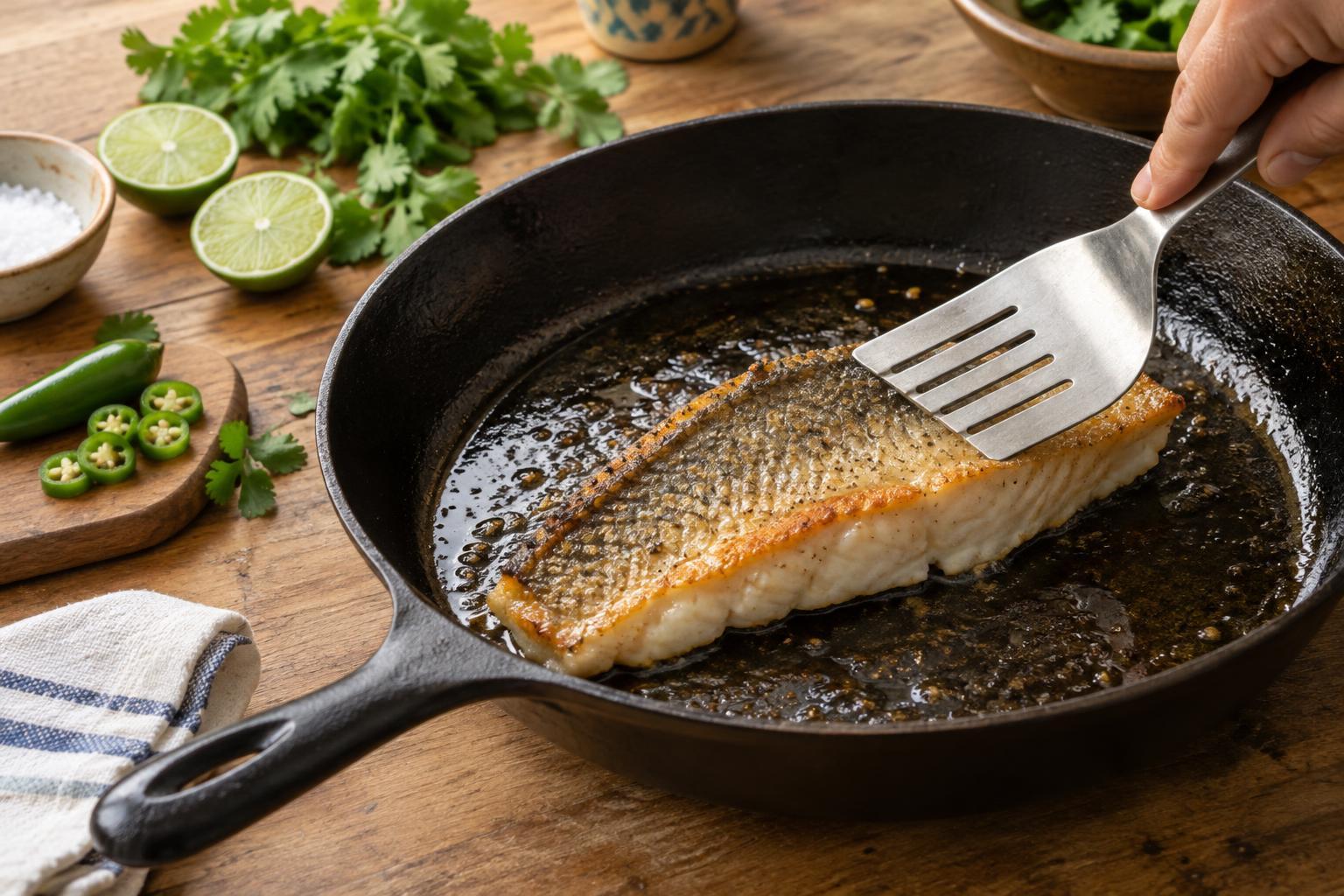
For an even result in the pan, drain thawed seafood and pat it dry with clean paper towels. This helps fish brown and keeps shrimp from adding too much water to a skillet. A few icy spots may be manageable in a soup, but for quick, even cooking—especially grilling or searing—thaw the pieces fully first.
Keep citrus flavor separate from food safety
Lime and other citrus juices are at home in coastal cooking, but they are not a substitute for cooking. Citrus can change the color and texture of raw fish or shellfish; it does not make citrus-cured seafood equivalent to cooked seafood. Freezing seafood does not, by itself, make it safe to eat raw either.
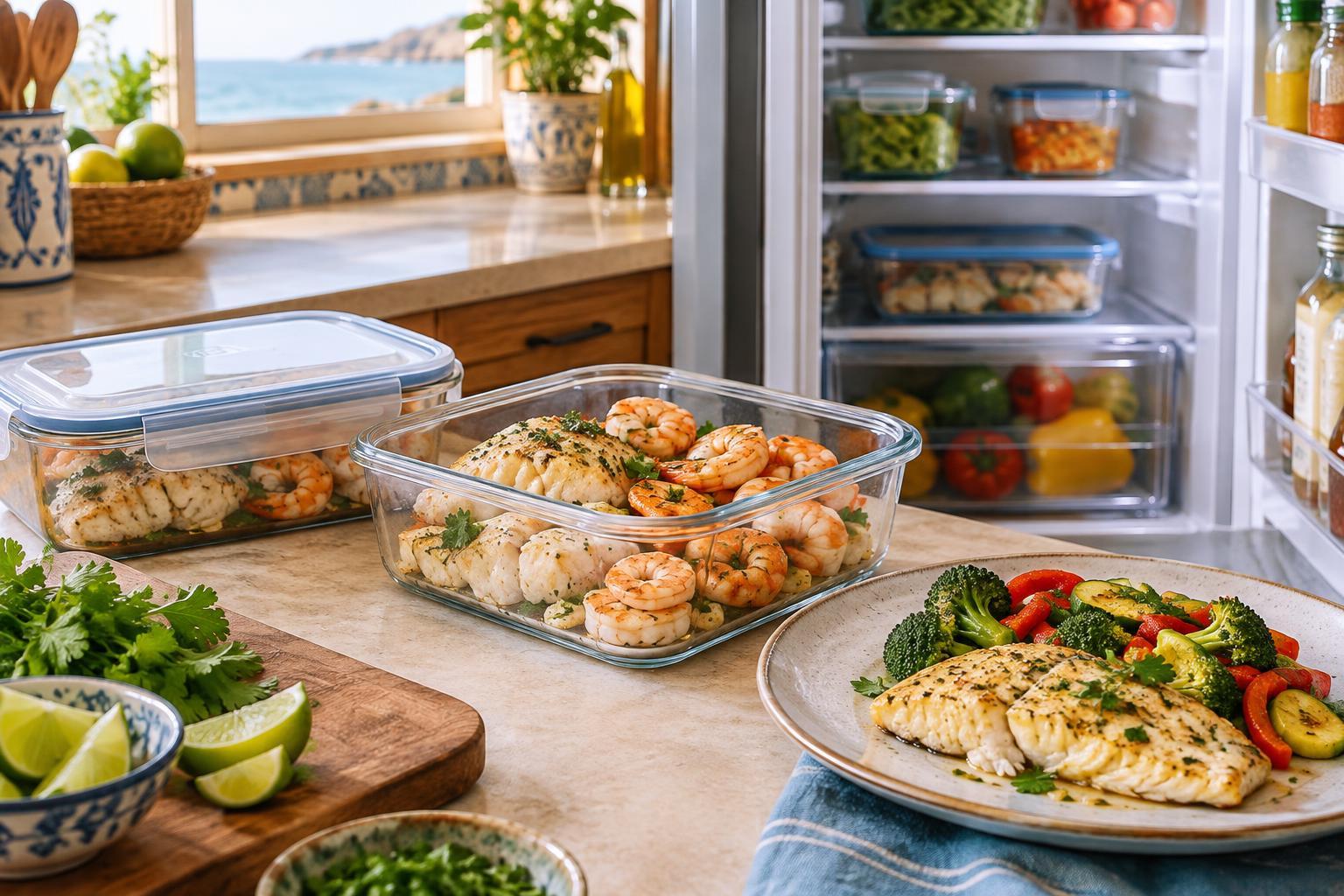
If you want bright ceviche-inspired flavors without serving raw seafood, cook the fish or shrimp first, chill it promptly, and then toss it with citrus, herbs, onion and vegetables. Start with a safe thaw, keep the ingredients cold, and let the lime provide flavor rather than relying on it as a safety step.