Start with the food, not a fixed ratio
A sauce for delicate fish needs a different balance from one spooned over charred vegetables. Before mixing anything, decide what the sauce should do. Does the dish need brightness to cut through richness, salt to wake up mild ingredients, chile warmth, or a touch of sweetness to soften a sharp edge? Coastal Latin American cooking offers many ways to combine citrus, chiles, herbs, onions and fruit, but there is no single ratio that suits every ingredient.
Taste a small piece of the food with the sauce whenever possible. A spoonful of sauce on its own may seem too tart, yet taste just right alongside fried fish. Conversely, a sauce that tastes balanced alone can disappear against a well-seasoned grilled shrimp skewer. Make a modest batch first and keep some ingredients in reserve so you can adjust without starting over.
Use acid for brightness, then give it room
Lime and other citrus juices bring immediate brightness. Add them a little at a time, tasting after each addition. If a sauce tastes flat, acid may help; if it makes you pucker before you notice the other flavors, ease back. You can dilute an overly sharp sauce with more of its other ingredients, such as chopped tomato, herbs or a little oil, rather than trying to cover the acid with sugar alone.
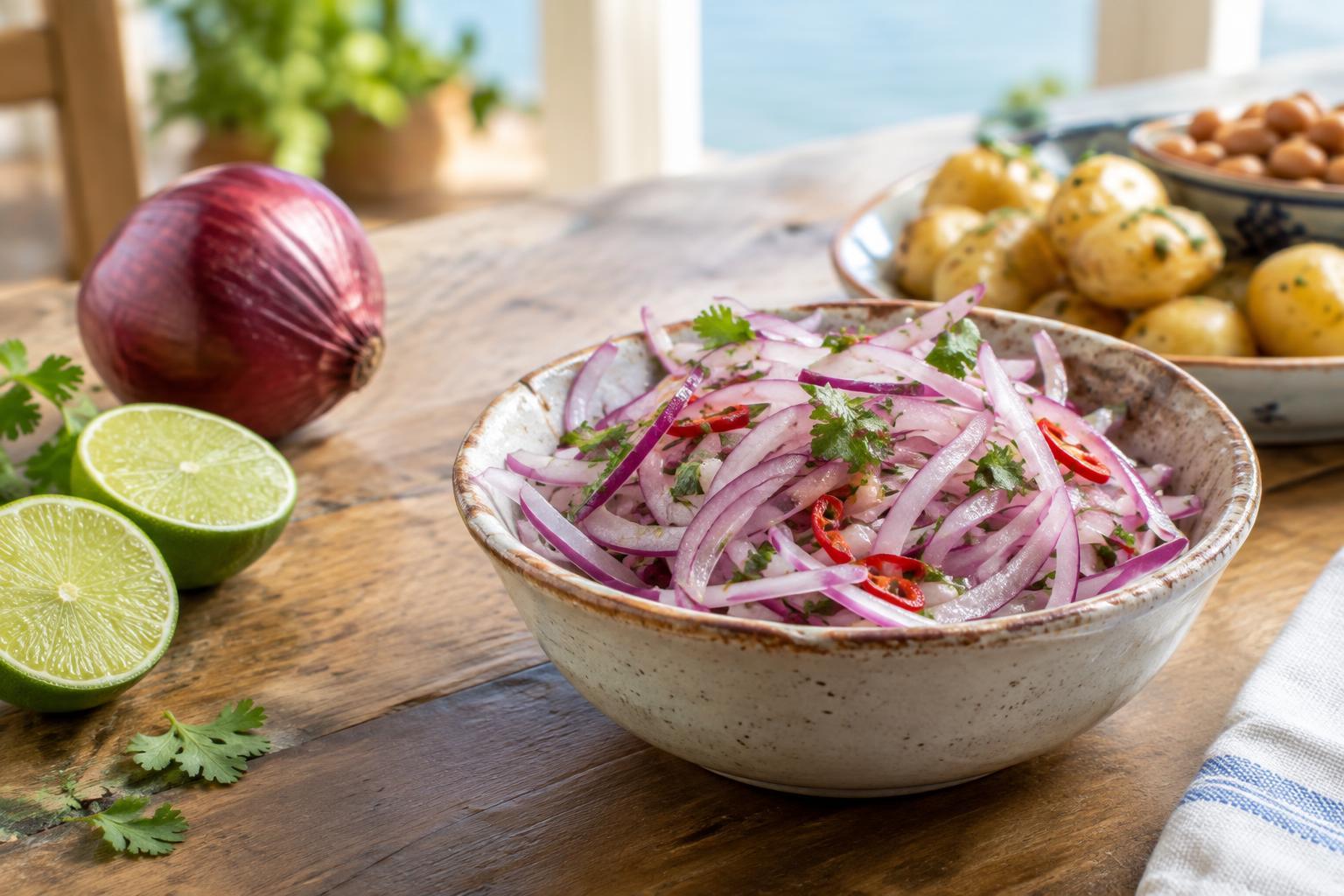
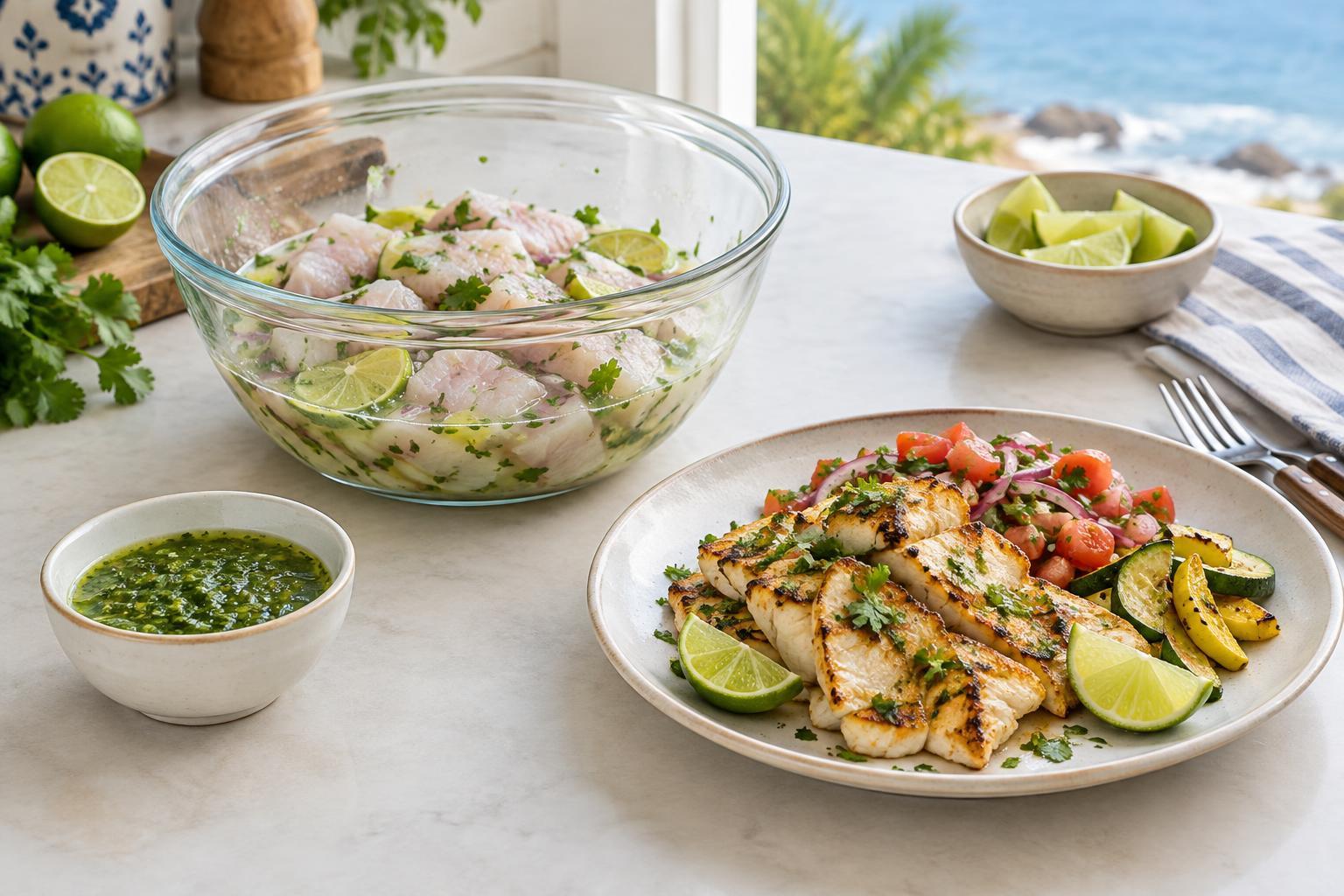
Acidity also changes as a sauce sits. Onions can mellow in citrus juice, while fresh herbs may lose some of their lively flavor. For a sauce you plan to serve later, taste it again just before serving and add a final squeeze of citrus if needed. If the sauce will touch raw seafood, remember that citrus changes its texture but does not make it equivalent to cooked seafood. Handle raw seafood carefully, keep it chilled and avoid cross-contamination.
Add salt in stages and build heat deliberately
Salt makes citrus, vegetables and aromatics taste more distinct, but its effect depends on the food underneath. Season the sauce lightly at first, especially if it will be served with salted fish, chips or a seasoned marinade. Stir thoroughly, taste with the intended food, then add more if the flavors still seem muted. A small pinch may be enough; adding too much at once is harder to correct.
For heat, choose both an intensity and a character. Fresh chile can bring a crisp, grassy bite; a roasted or dried chile may add a deeper flavor. Start with less than you think you need, then wait a moment after tasting before adding more. Removing the seeds and inner ribs from a fresh chile can make the heat easier to control, though individual chiles still vary. If you overshoot, increase the volume of the sauce with its nonspicy ingredients rather than relying on extra citrus to hide the burn.
Treat sweetness as a supporting ingredient
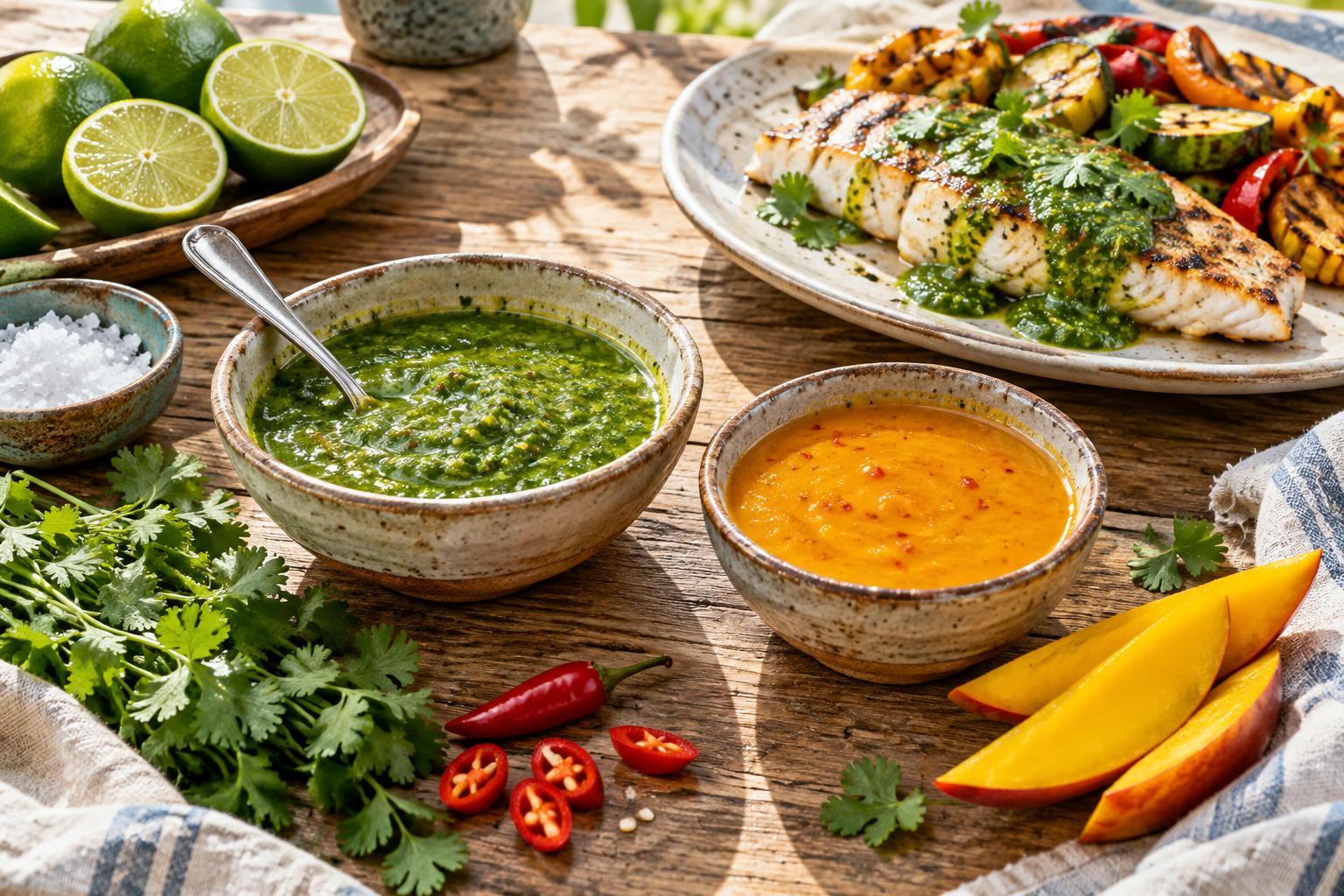
Sweetness can round off acidity and soften chile heat, but it should not automatically make a savory sauce taste sugary. Ripe mango, pineapple or tomato can provide sweetness along with texture. A small amount of sugar or honey can help in a smooth dressing, too. Add it gradually and stop when the sauce tastes more complete, not when sweetness becomes the first thing you notice.
Think about what is already on the plate. A fruit-forward sauce may complement salty grilled fish without needing added sweetener. A sauce for sweet roasted peppers might benefit from more lime and chile instead. If you have added too much sweetness, try more acid in small increments and, if the sauce allows, more onion, herbs or chile to restore contrast.
Try a simple tasting routine
For a quick coastal-inspired sauce, combine finely chopped tomato and onion with cilantro, a little minced chile and lime juice. Add a pinch of salt, stir and taste it with a piece of the food you plan to serve. Ask four questions in order: Is it bright enough? Can I taste the main ingredients? Does the heat suit the dish? Is any sweetness needed? Change only one element at a time, stirring and tasting between additions.
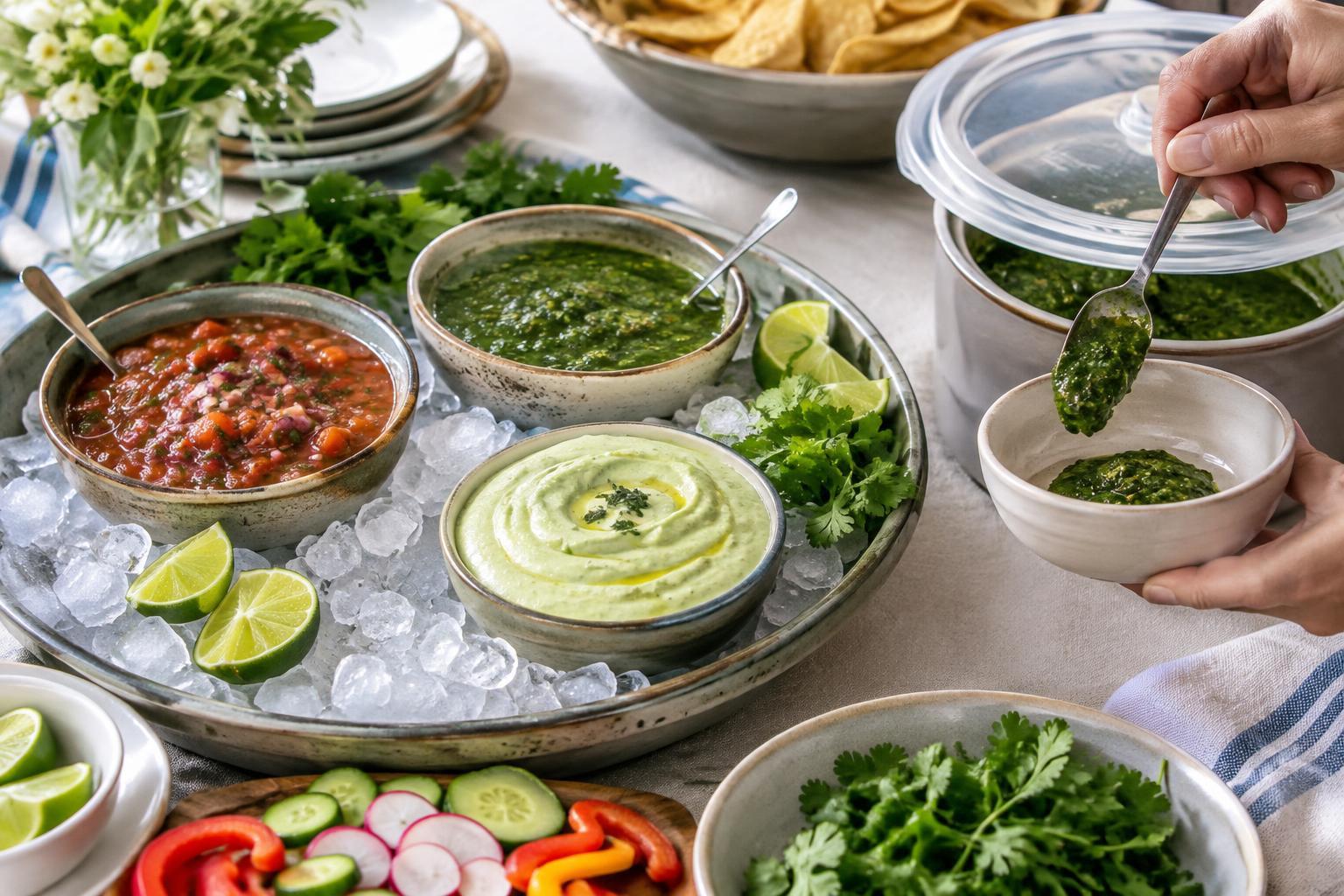
Serve the sauce freshly made when you want crisp vegetables and vivid herbs, or let it rest briefly for a softer onion flavor. Keep perishable sauces chilled until serving, use clean utensils and refrigerate leftovers promptly. With practice, balancing a sauce becomes less about measuring a perfect formula and more about noticing what each ingredient contributes to the finished bite.