Start with the taco you want to eat
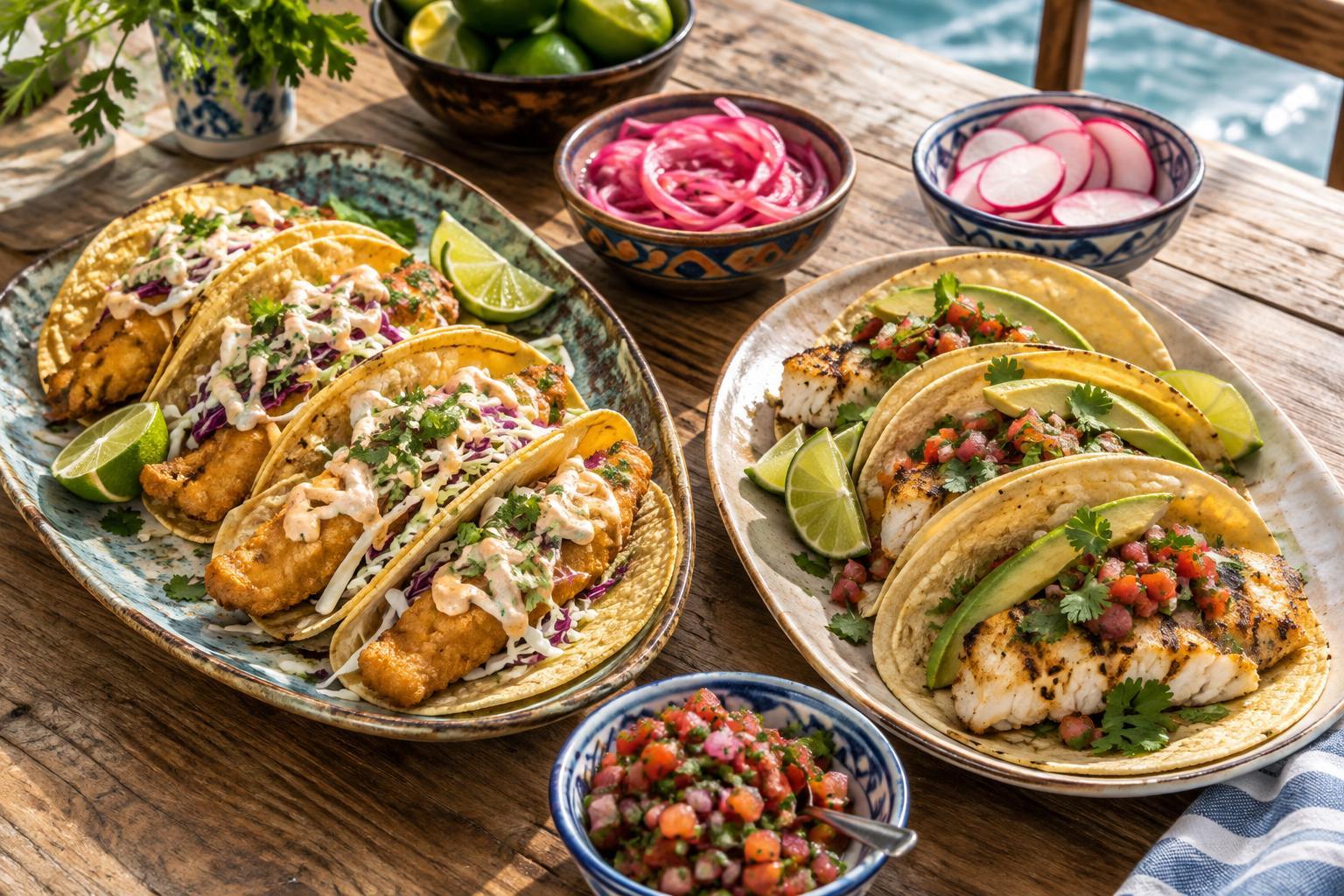
Fried and grilled fish tacos can use many of the same ingredients, but they deliver different bites. Frying gives mild fish a crisp coating that stands up to creamy sauce and crunchy cabbage. Grilling leaves the fish more exposed: its flavor, seasoning and texture take center stage, especially alongside charred vegetables or a bright salsa. Choose the method before shopping so the fish and toppings work together.
Think about how you plan to serve the tacos, too. Fried fish is best eaten soon after cooking, while the coating is crisp. Grilled fish is also appealing fresh from the heat, but it can be easier to cook in batches without managing hot oil. For a casual table, set out warm tortillas and prepared toppings, then bring out the fish last.
Pick fish that suits the heat
For frying, look for firm, mild fillets that you can cut into pieces of similar size. Cod, pollock and other flaky white fish can work well when coated and handled gently. Pieces with an even thickness are easier to cook consistently; pat them dry before adding a light flour coating or batter. Avoid crowding the pan, which can make the coating soggy and the oil harder to manage.
For grilling, firmer fish is easier to turn without breaking. Mahi-mahi, snapper or similarly sturdy fillets are options, depending on what is available. A grill basket or well-oiled cooking surface can help with more delicate fish. If your fillet is thin or fragile, cooking it in a skillet may be less frustrating than placing it directly on grill grates. Remove any bones you find before serving, and break cooked fish into tortilla-sized pieces rather than forcing it into uniform strips.
Whatever you choose, buy fish that has been kept properly chilled and follow any storage guidance from the seller. Keep it cold until cooking, and use separate utensils and surfaces for raw fish and ready-to-eat toppings.
Cook for texture, not just color
For fried tacos, season the fish and coat it shortly before cooking. Heat the oil before adding the pieces, but lower them in carefully to prevent splashes. Fry in small batches until the coating is crisp and the fish is cooked through, then drain it on a rack so steam does not soften the underside. A skillet with a modest depth of oil is enough for many home recipes; there is no need to fill a pot if you are making a few tacos.
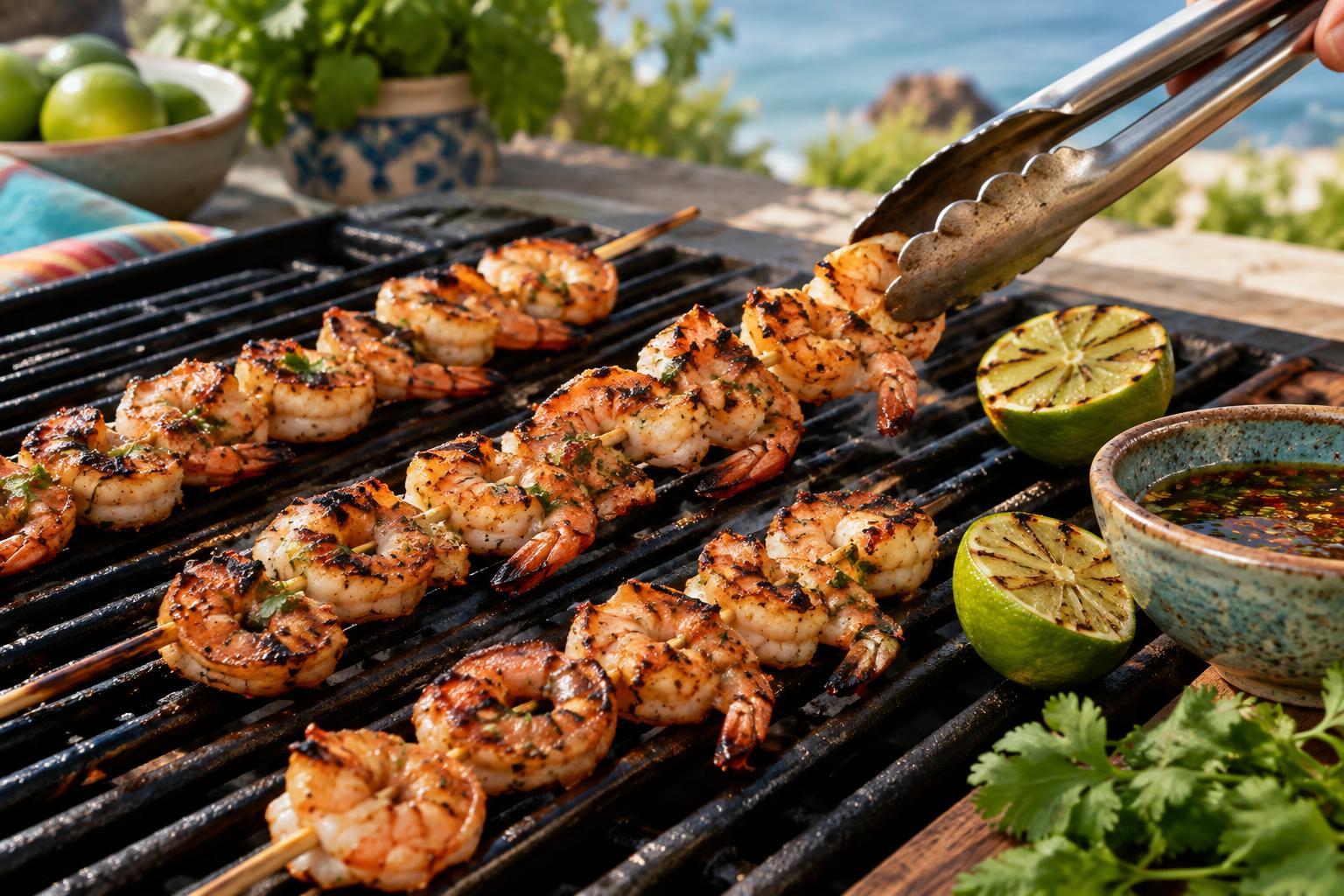
For grilled tacos, dry the fish, rub it lightly with oil and season it before it meets the heat. Let the cooking surface heat up, then give the fish time to release before trying to turn it. One careful flip is usually better than repeated handling. Fish is cooked when its flesh turns opaque and separates readily with a fork; a food thermometer provides a more reliable check. Cook seafood to a safe temperature according to applicable food-safety guidance, especially when serving anyone at higher risk from foodborne illness.
A squeeze of lime can finish either version, but lime juice is not a substitute for cooking. Citrus changes the appearance and texture of raw seafood; it does not make raw fish equivalent to fish cooked with heat.
Build toppings around the fish
A fried taco benefits from contrast. Try finely shredded cabbage, a spoonful of lime-spiked crema or yogurt sauce, and a little pickled onion. Keep wet toppings in moderate amounts so they do not overwhelm the crust. If you want heat, add a few slices of chile or a small amount of hot sauce rather than burying the fish.
With grilled fish, toppings can bring moisture and color without covering up the char. Diced tomato, avocado, a simple cabbage slaw or a salsa of fruit and chile can all fit. Cilantro and lime add a fresh finish if you enjoy them. Taste the fish first, then decide whether the taco needs more acid, salt or richness. A warm corn tortilla offers a sturdy base; use two if the filling is especially juicy.
Prep ahead, then assemble at the table
Make sauces and chop vegetables before cooking the fish. Keep ready-to-eat toppings covered and chilled as needed, away from raw seafood and its juices. Wash hands, knives and boards after handling raw fish, and use a clean platter for the cooked pieces. If you marinate fish, do it in the refrigerator; discard marinade that touched raw fish unless you cook it thoroughly before using it as a sauce.
Right before serving, warm the tortillas and put out the toppings in small bowls. Let everyone choose between crunchier, richer fried fish and the simpler flavor of grilled fish. Either way, a good taco leaves room for the seafood, a little acidity and one or two textures that make the next bite inviting.