Start with the texture you want
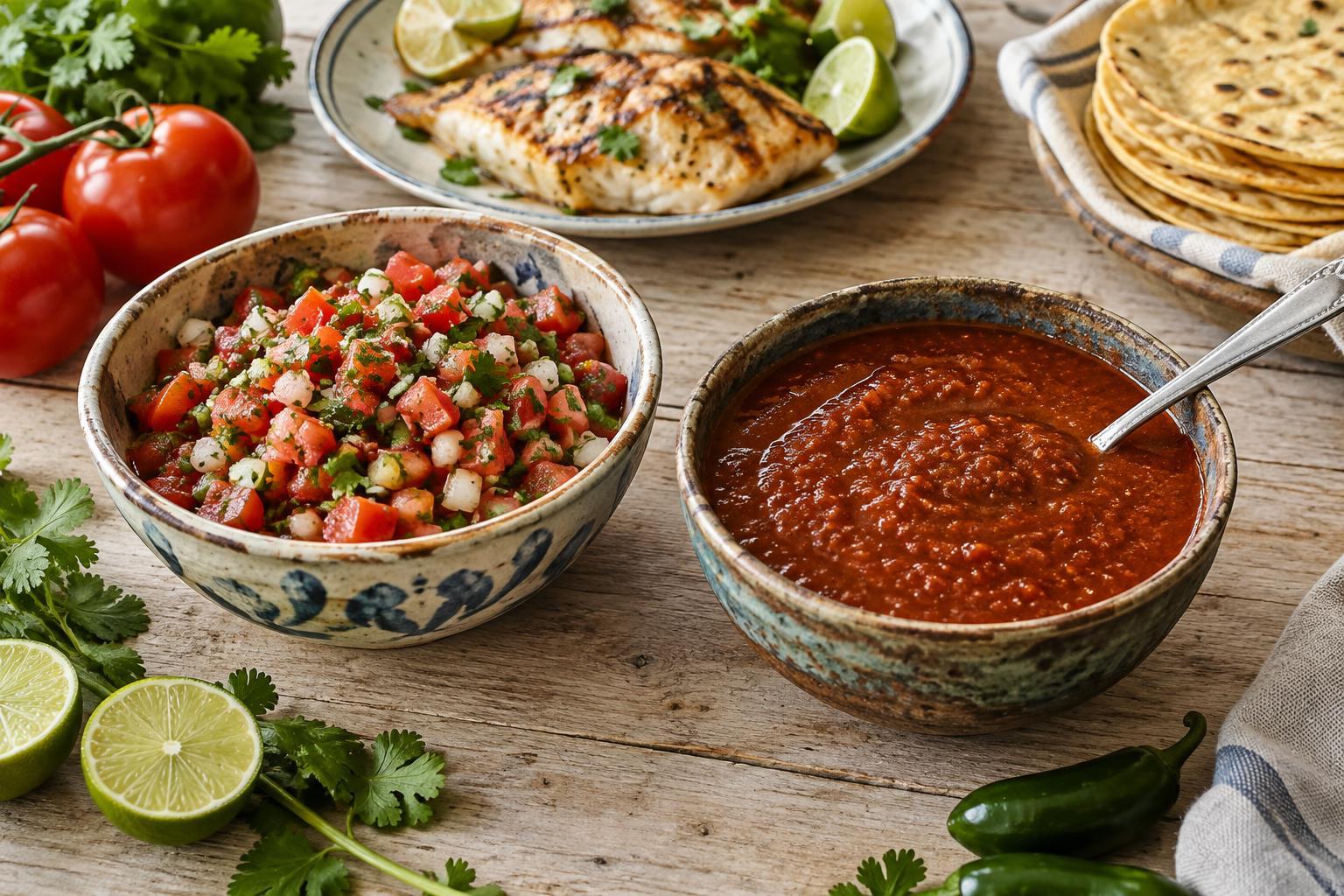
The easiest way to choose a salsa method is to picture the finished spoonful. Fresh salsa keeps the character of its ingredients distinct: diced tomato stays juicy, onion remains crisp, herbs taste bright and chile can deliver a sharp burst of heat. It works well when you want contrast against a warm dish, such as grilled fish, shrimp tacos or roasted vegetables.
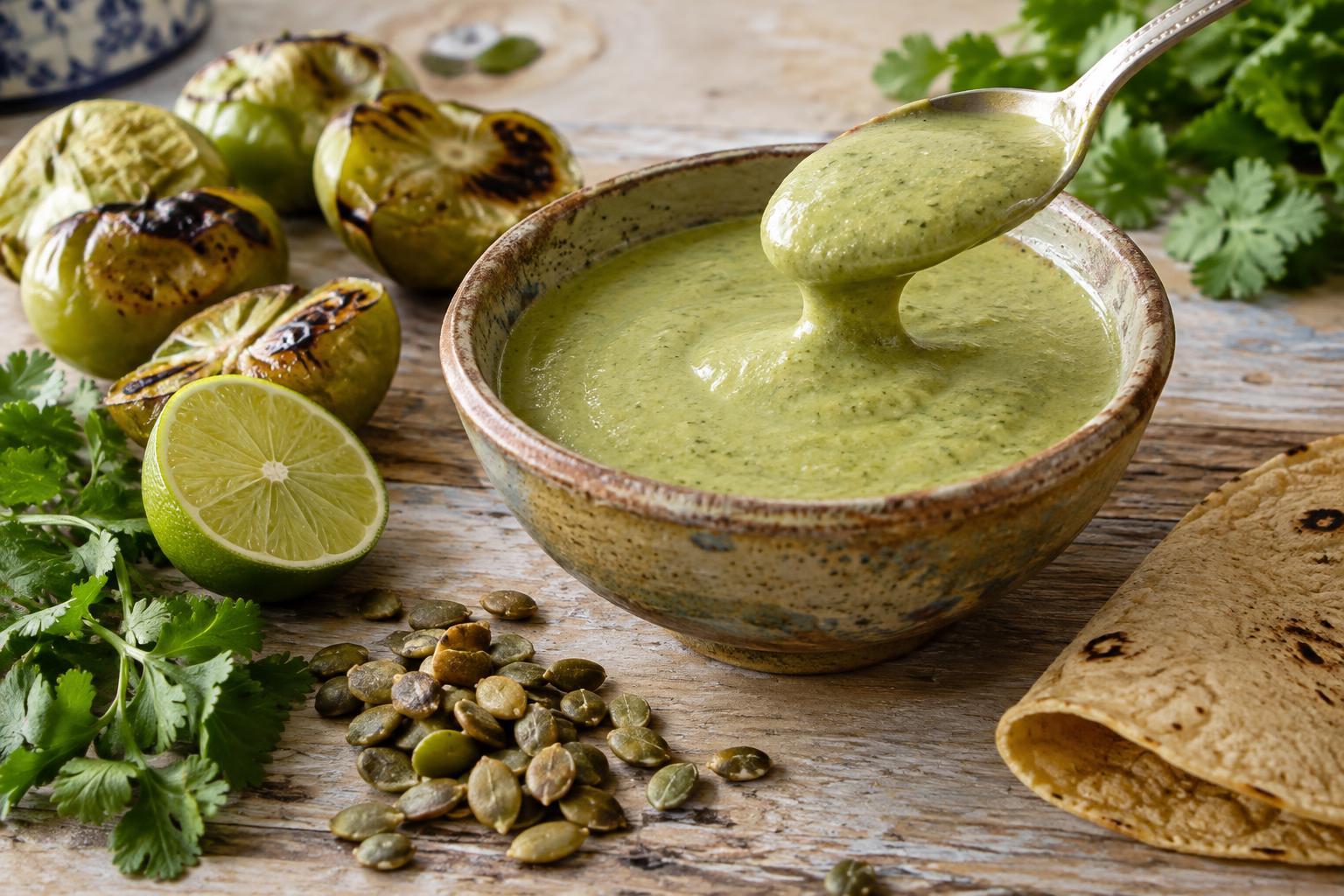
Cooked salsa brings the ingredients together. Simmering softens onion and chile, reduces some of the tomato’s raw edge and creates a more cohesive sauce. Roasting or charring before blending adds deeper, toasty notes. A cooked salsa may be chunky or smooth, depending on how finely you chop or blend it, but it generally feels less crisp than a fresh one. Choose it when you want a sauce that coats a tortilla, settles into rice or stands up to a rich filling.
Let the main dish guide the flavor
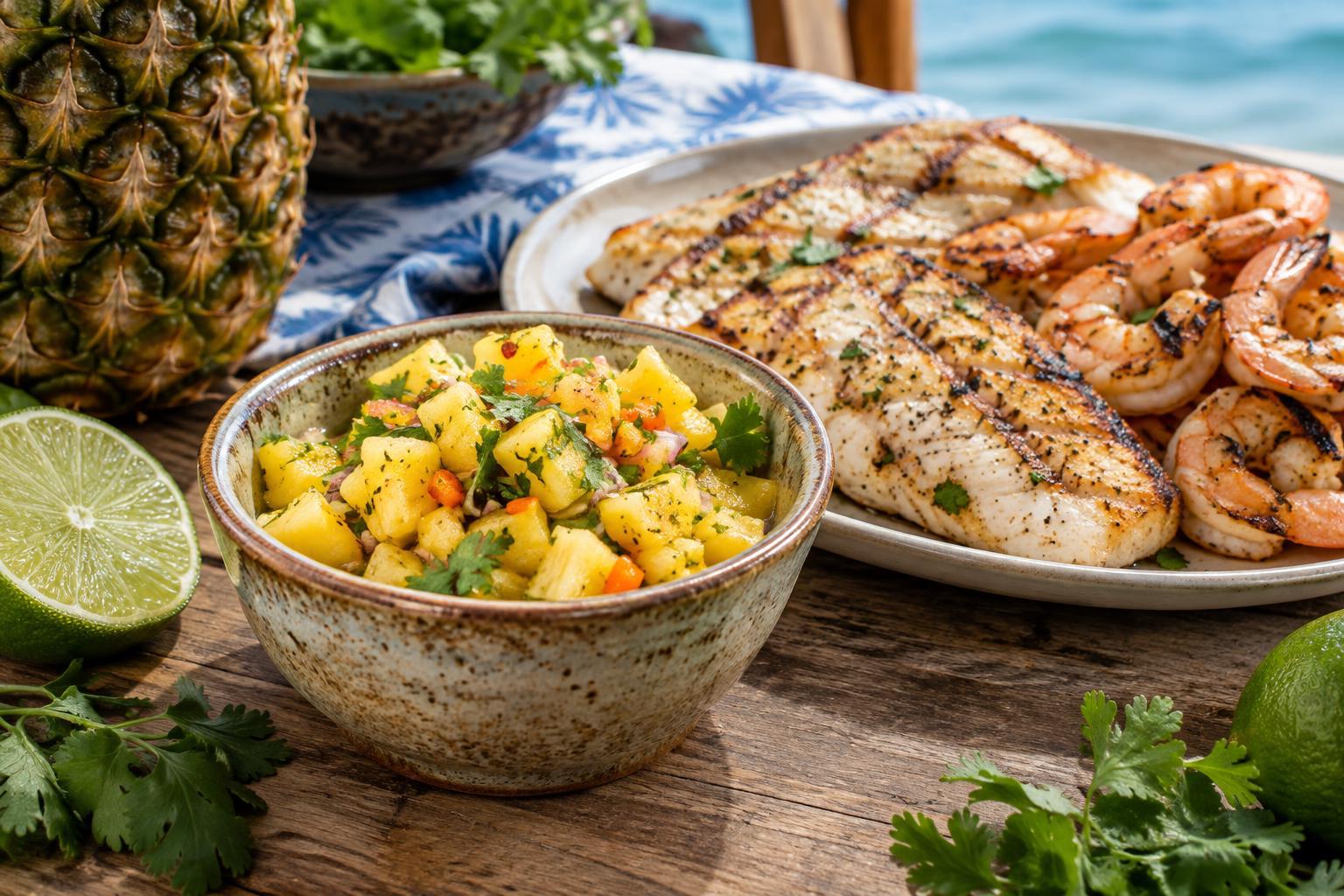
Fresh salsa is especially useful when the plate needs lift. A mixture of tomato, onion, chile, cilantro and lime can brighten simply seasoned seafood or beans without covering them up. For a coastal-inspired variation, try diced cucumber for crunch or a little finely chopped mango for sweetness. Keep additions in balance: too much fruit or citrus can make it harder to taste the main dish.
Cooked salsa often suits dishes with browned, smoky or slow-cooked flavors. Roast tomatoes, onion and chile until they soften and pick up some color, then blend or chop them to your preferred consistency. You can also simmer a blended salsa briefly to mellow its raw flavors and thicken it. If the finished sauce tastes heavy, add lime juice a little at a time after cooking. Citrus adds brightness, but it cannot replace salt or fix a salsa that has been reduced too far.
Neither method has to be fiercely spicy. For a gentler salsa, start with a small amount of chile, taste and add more gradually. Chile heat varies, so the amount that worked last time may not give the same result today. If a salsa is too hot, adding more tomato or another base ingredient usually preserves its character better than adding a large amount of water.
Build a fresh salsa that stays lively
For a chopped fresh salsa, cut the ingredients into pieces that will fit comfortably on a chip or fork. Use a bowl large enough to toss them without crushing the tomato. Salt lightly, then let the mixture sit for a few minutes before tasting; the vegetables will release some liquid and the seasoning may become more apparent. Add tender herbs near serving time if you want them to look and taste their freshest.
Watery salsa is not necessarily a mistake. Its juices can be delicious spooned over grilled vegetables or rice. If you need a neater topping for tostadas or tacos, use a slotted spoon, or drain some liquid just before serving. A blended fresh salsa has a different appeal: it can be quick and pourable, but blending too long may make delicate herbs less vivid and introduce more air than you want. Pulse until it reaches the texture you need.
Cook for a salsa that melds and coats
To make a cooked salsa, decide whether you want a clean simmered flavor or the deeper taste of roasted ingredients. Simmering chopped or blended tomato, onion and chile gives you control over thickness. Roasting first adds browned edges and may make the salsa taste sweeter, especially when the vegetables are ripe. In either case, cook until the flavors come together and the sauce has the consistency you want, stirring as needed to prevent sticking.
Season again once the salsa has cooled slightly. Heat can make it harder to judge salt and acidity, while evaporation concentrates both flavor and seasoning. If it thickens more than expected, stir in a small splash of water. For a salsa to serve cold, remember that its texture may firm up in the refrigerator; a stir before serving can bring it back together.
Plan ahead and handle it carefully
Cooked salsa is a convenient make-ahead choice because its flavors often remain well integrated after chilling. Fresh salsa can also be prepared ahead, though it may soften and release more liquid as it sits. For the best texture, you can chop sturdy ingredients in advance and add herbs, citrus and final seasoning closer to serving. Keep either kind covered in the refrigerator, use clean utensils and avoid leaving it out longer than necessary, especially at a warm gathering.
Cooking a salsa does not automatically make it safe to store at room temperature: shelf-stable canning requires a tested process, not simply a hot sauce in a jar. If salsa accompanies seafood, keep raw seafood and its juices away from ready-to-eat toppings, and use separate or thoroughly cleaned tools and surfaces. Lime juice can change the texture of raw seafood, but citrus curing does not make it equivalent to cooked seafood. A bright salsa can complement a properly cooked seafood dish just as well.