Let the rice set the pace
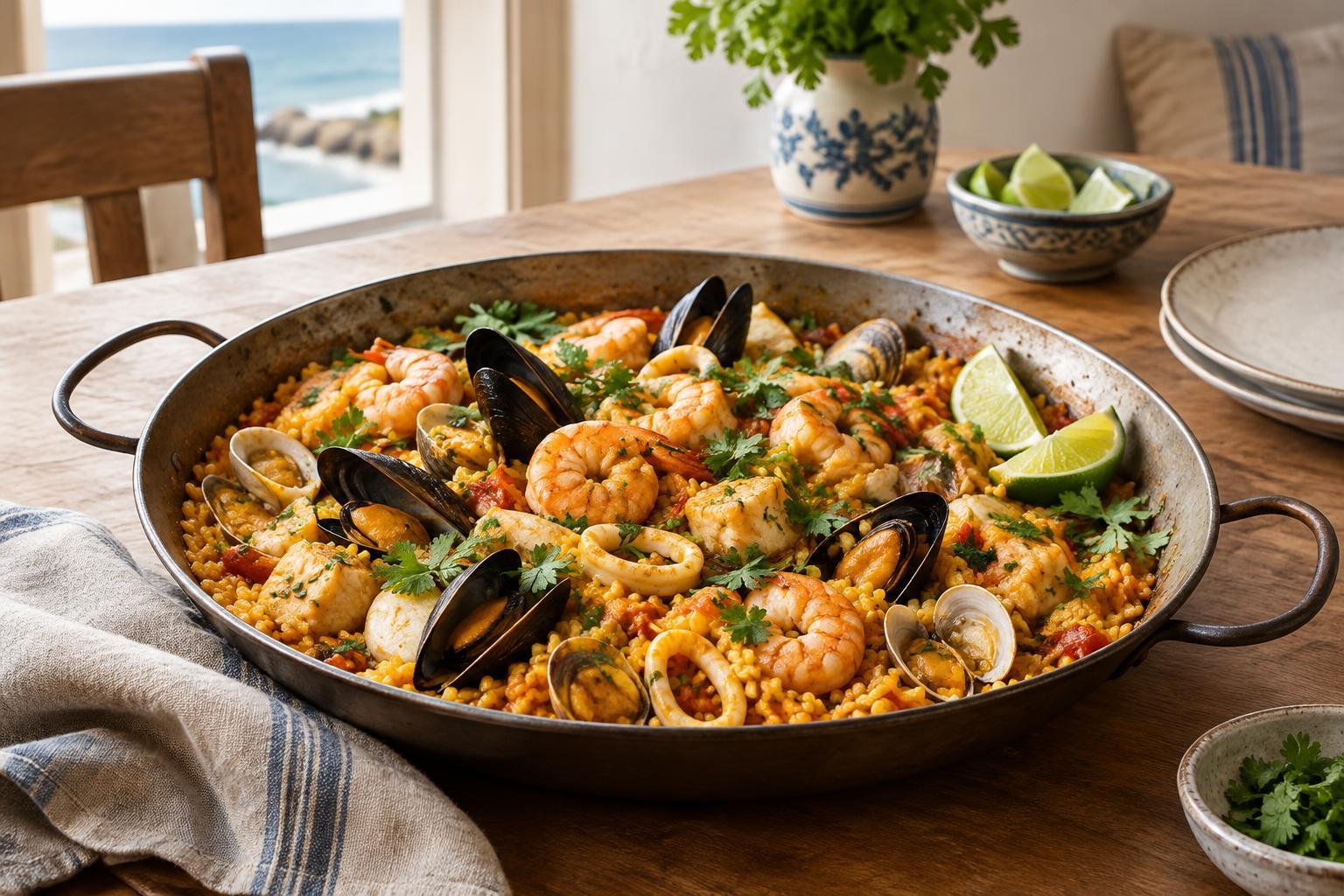
In arroz con mariscos, the rice needs time to absorb seasoned liquid, while most seafood needs only a short period of heat. Add everything at the beginning and the shrimp may turn rubbery before the grains are tender. Wait until the rice is completely dry, though, and delicate fish can stick or break as you try to work it into the pan. The simplest approach is to build the rice first, then add seafood in stages near the end.
Start with a flavorful base of onion, garlic, pepper and tomato, then coat the rice in the aromatics before adding warm broth or seafood stock. Use the amount of liquid suited to your rice and pan; different varieties absorb at different rates. Keep a little warm stock nearby. When the rice is almost tender but still has some moisture around the grains, it is ready for the first additions. That point matters more than a fixed number of minutes.
Prepare seafood before the rice goes on
Cut fish into similar-size pieces, peel and devein shrimp if needed, and keep everything refrigerated until it is time to cook. If using frozen seafood, thaw it in the refrigerator rather than on the counter. Keep raw seafood and its juices away from ready-to-eat garnishes, and wash hands, utensils and surfaces after contact. A squeeze of lime can brighten the finished dish, but citrus curing does not make raw seafood equivalent to cooked seafood.
Check live clams and mussels before cooking. Discard any with broken shells, and follow the seller’s handling guidance for any that do not close when tapped. Scrub the shells and remove mussel beards where necessary. If using already-cooked seafood, keep it separate from the raw ingredients: it will only need to be warmed at the end, not cooked through a second time.
Give clams and mussels an early start
Clams and mussels can take longer than shrimp to open, and their cooking time varies with size. One reliable option is to steam them separately with a small splash of water or broth while the rice cooks. Cover the pot, check them as they open, and discard any that remain closed after cooking. Strain the cooking liquid through a fine sieve if you want to add its flavor to the rice; stop short of any grit at the bottom.
To cook bivalves in the rice pan instead, nestle them into the moist rice when the grains are nearly tender, cover, and give them time to steam. Keep enough liquid in the pan to make steam without flooding the rice. This method brings their juices into the dish, but it takes closer attention: the rice may finish before every shell opens. If that happens, move the bivalves to a separate covered pot to finish rather than leaving the rice on the heat indefinitely.
Add shrimp and fish near the finish
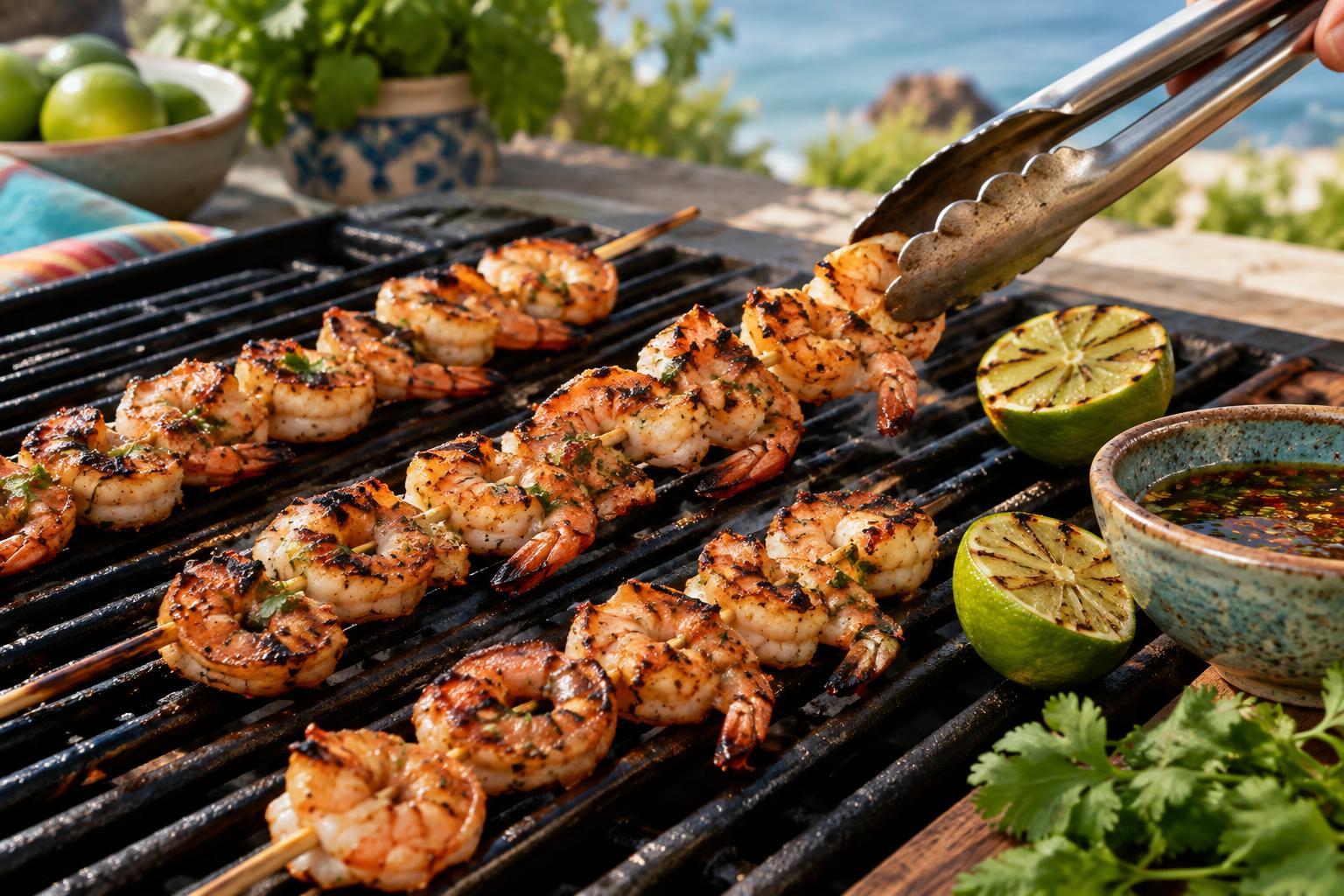
Once the rice is nearly done and any bivalves are cooking or already steamed, place raw shrimp and firm fish pieces over the surface. Cover the pan so the heat surrounds them, and check frequently. Shrimp are done when their flesh is opaque and firm; fish should be opaque and separate easily into flakes. Larger pieces take longer than small ones, so use doneness rather than a strict timer as your guide. If the rice dries out before the seafood cooks, add a small splash of warm stock and cover again.
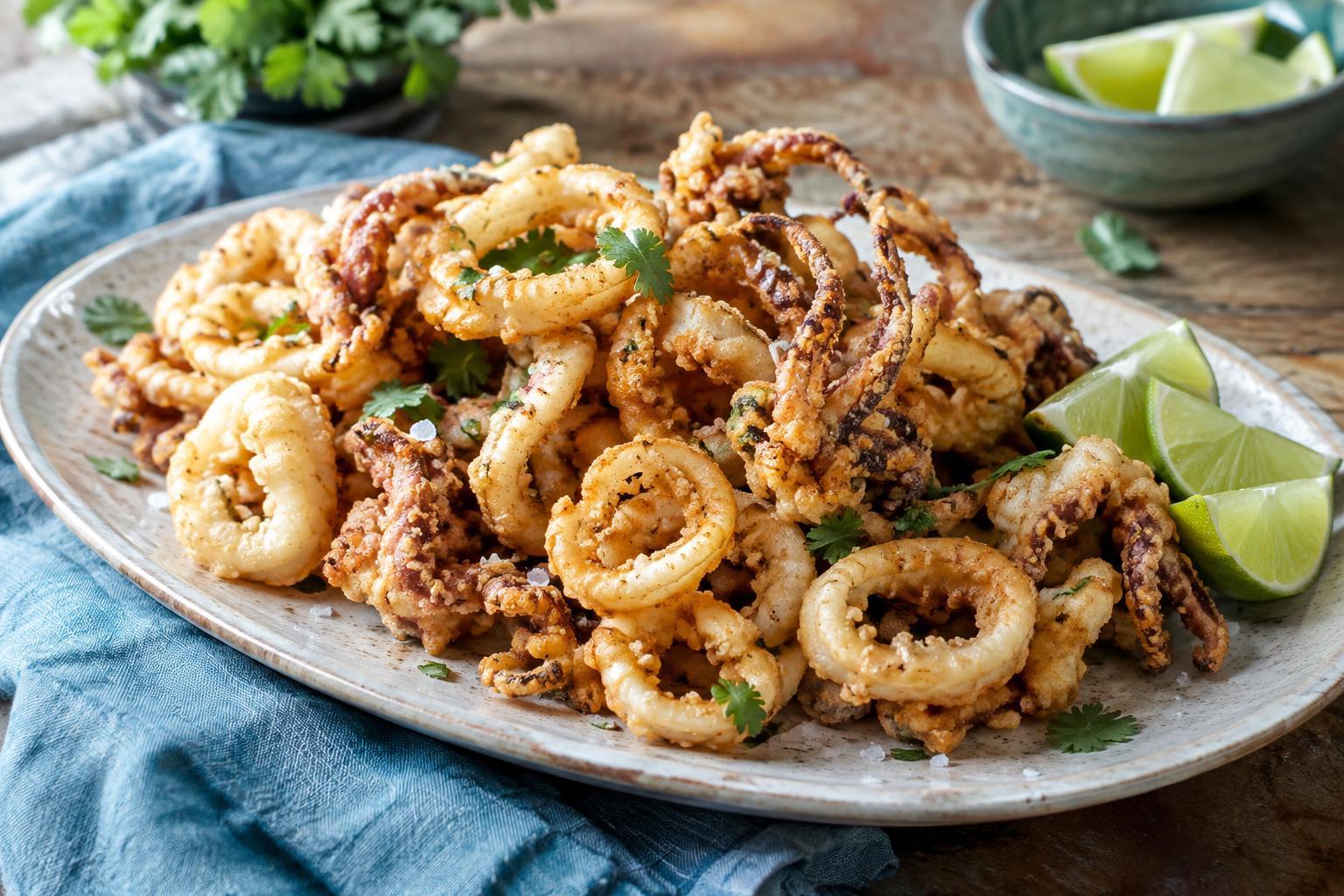
Squid needs a little planning because a brief cook keeps it more tender than a prolonged simmer. Add small rings or pieces close to the end and check them promptly, or cook them separately and fold them in. Gently turn the seafood only as needed. Vigorous stirring can break fish, crush tender rice and make it harder to see which pieces still need heat.
Rest, garnish and serve
When the rice and seafood are cooked, take the pan off the heat and let it rest briefly, covered. The moisture will settle through the grains without subjecting the seafood to a long simmer. Fold in separately steamed shellfish or already-cooked seafood just long enough to heat the latter through. Finish with cilantro, sliced scallions or lime wedges at the table, where each person can adjust the brightness without changing how the seafood cooks.
Serve promptly, and refrigerate leftovers without leaving the pan out for an extended period. For the next meal, reheat the rice and seafood thoroughly, adding a little water if the grains have dried out. The guiding principle remains the same from first cooking to leftovers: treat rice and seafood as ingredients with different needs, and give each the heat it requires.