What ají amarillo brings to the table
Ají amarillo is a yellow-to-orange chile closely associated with Peruvian cooking. Its appeal is more than heat: it can add a fruity flavor, warm color and gentle richness to a sauce. Those qualities work especially well alongside citrus, seafood, potatoes, corn and other ingredients often found in coastal meals. The heat can vary, so taste the form you have rather than assuming that one spoonful or one chile will always give the same result.
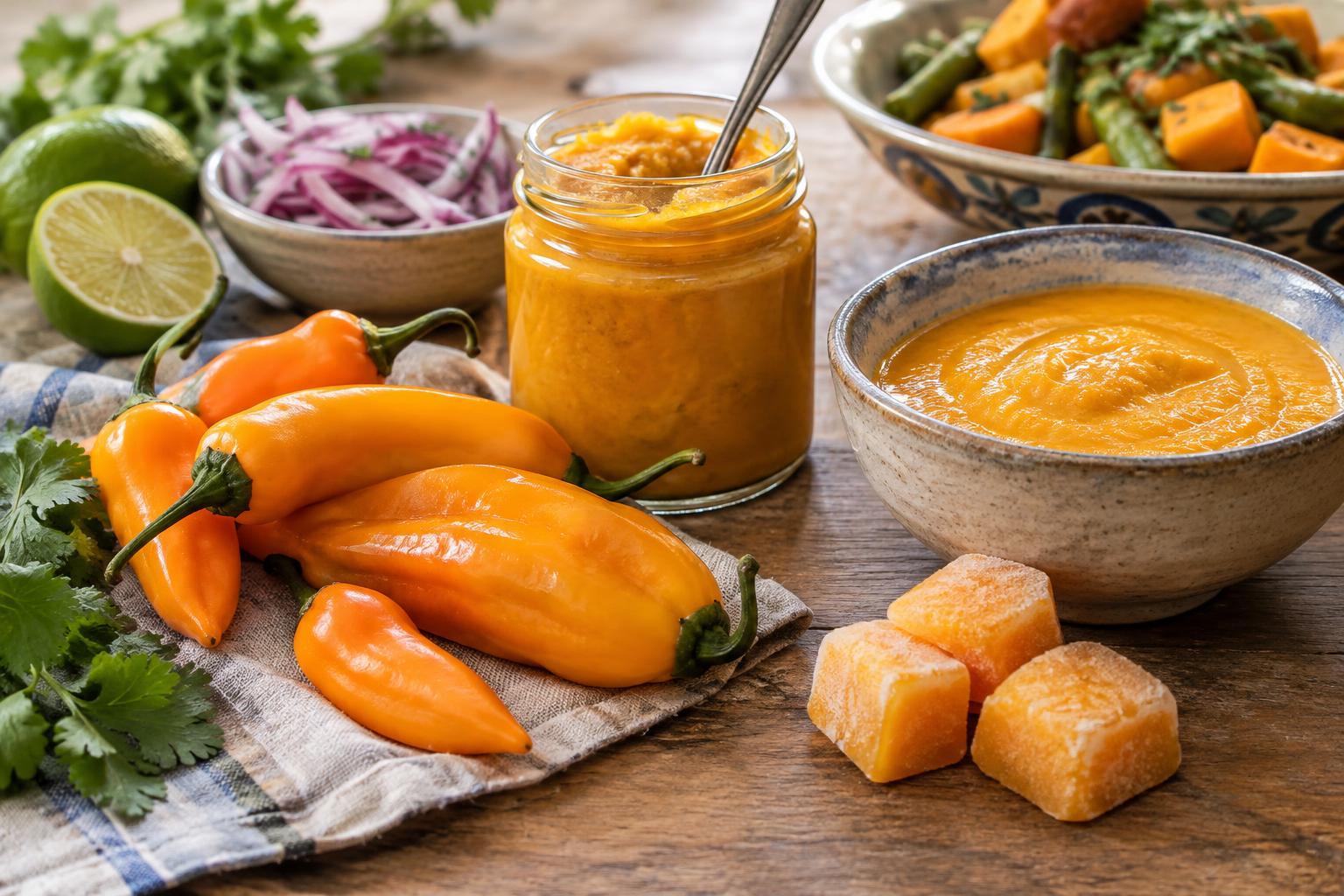
Fresh chiles, prepared paste and frozen pulp are not interchangeable in texture or intensity. Fresh chiles offer the most control over how the pepper is cut and cooked. Jarred paste is convenient for stirring into a sauce. Frozen pulp can give you a smooth base without the preparation that whole chiles require. Choosing among them is less about finding a single “best” version and more about deciding what your dish needs.
Choose fresh chiles for texture and control
Fresh ají amarillo is a good choice when you want slices in a sauté, chopped chile in a relish, or a homemade purée whose texture you can adjust. Look for chiles that feel firm and have sound skins, avoiding ones with soft spots or visible mold. Wash them under running water before cutting. If you prefer less heat, remove the seeds and pale inner ribs, then taste a small piece before adding more. Wearing gloves can make handling hot chiles more comfortable; in any case, wash your hands, knife and board afterward, and avoid touching your eyes.
For a smoother sauce, you can cook chopped fresh chile until tender and blend it with a little liquid. Cooking softens its raw edge and lets you decide how thick the result should be. Add liquid gradually: a sauce for spooning over fish may need to be looser than one used as a sandwich spread. If fresh ají amarillo is hard to find, use another form rather than assuming a different chile will produce the same flavor.
Reach for jarred paste when speed matters
Jarred ají amarillo paste is useful when you need a quick base for a creamy sauce, a marinade or a dressing. A spoonful can be blended with oil, citrus juice and other seasonings, or stirred into a cooked mixture. Start with less than you think you need, taste, and build from there. Some pastes contain salt, oil, acid or other ingredients, so check the label before seasoning the finished dish. Their thickness also varies: thin a stiff paste a little at a time instead of adding more chile just to make it easier to stir.
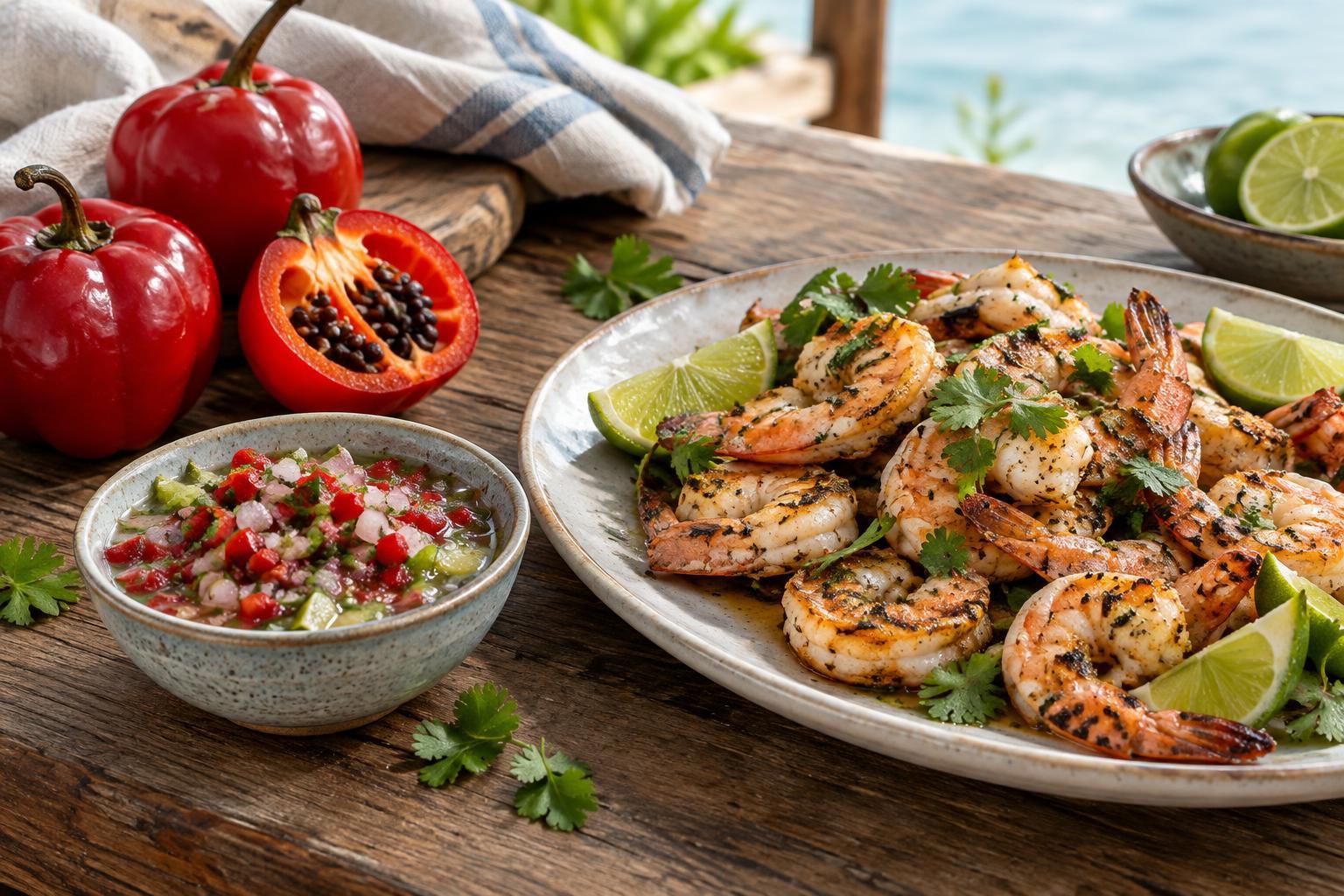
Paste can be especially handy for a weeknight sauce served with cooked shrimp, roasted vegetables or potatoes. If you are making a marinade, reserve any portion intended as a table sauce before it touches raw seafood. Do not pour a used raw-seafood marinade over a finished dish unless it has been cooked appropriately. After opening a jar, follow its storage directions and use a clean utensil each time to help keep the remaining paste in good condition.
Use frozen pulp for a smooth, flexible base
Frozen ají amarillo pulp is helpful when you want chile flavor dispersed evenly through a sauce without pieces of skin or seeds. Depending on the product, it may be plain puréed chile or a prepared mixture; read the ingredient list so you know what you are adding. Thaw only what you need in the refrigerator, keeping it in a covered container. If the pulp is packed as a large block, portioning it while still partly frozen may make it easier to return the rest to the freezer promptly.
Because pulp contributes moisture, add it before deciding whether a sauce needs water, stock or more citrus juice. It can be blended into a dressing for a corn and tomato salad or stirred into a warm sauce for cooked seafood. Taste after mixing: a cold pulp may seem different once it is incorporated into a finished dish, and added acid can change which flavors stand out.
Match the form to the dish, then handle seafood safely
Think of your recipe’s texture first. Choose fresh chile when you want visible pieces or plan to make your own purée; paste when you want a concentrated, quick addition; and pulp when a smooth, pourable blend suits the dish. Whichever you use, build a small test portion before seasoning the whole bowl. Ají amarillo should support the other ingredients, not obscure the freshness of herbs, vegetables or seafood.
Ají amarillo and citrus are appealing partners in ceviche-style dishes, but citrus curing does not make raw seafood equivalent to cooked seafood. Acid can change its color and texture without providing the same safety assurance as thorough cooking. For a lower-risk approach at home, pair an ají amarillo and citrus dressing with properly cooked seafood, then keep the finished dish chilled until serving. Keep raw seafood separate from ready-to-eat ingredients, and wash hands, utensils and surfaces after handling it.