A saucy side built around beans and squash
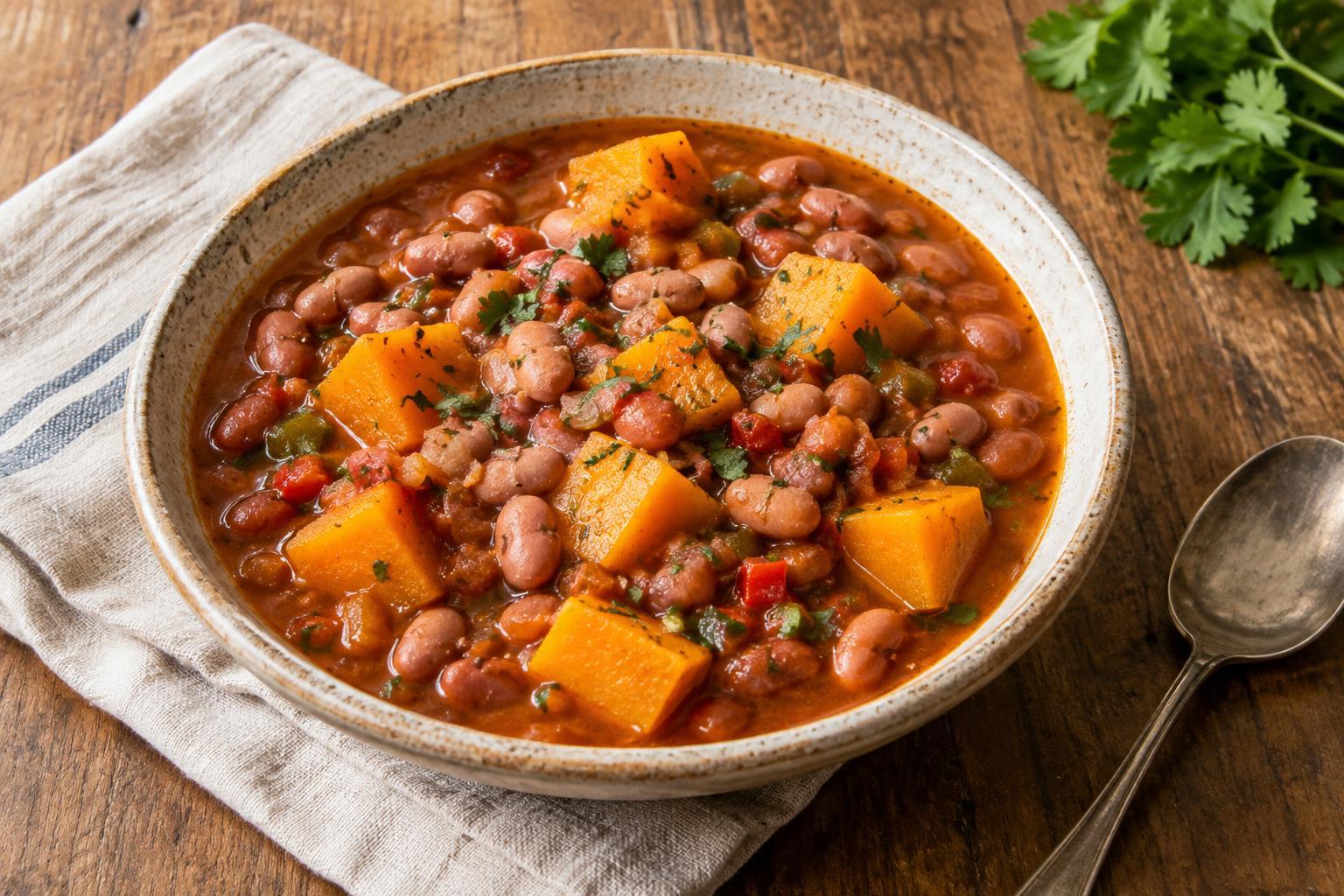
Pink beans simmered with pumpkin make a satisfying side for rice, roasted vegetables, fish, or a larger family-style meal. The beans give the sauce body, while the pumpkin adds mild sweetness and tender pieces that contrast with the savory broth. In Puerto Rican cooking, calabaza is a familiar choice for this kind of dish, though households vary in their seasonings and methods.
For a convenient pot that serves about four as a side, start with two 15-ounce cans of pink beans, drained and rinsed, and about two cups of peeled calabaza cut into roughly one-inch pieces. Kabocha is a useful substitute if calabaza is unavailable; butternut squash also works, though it may soften more quickly. Try to keep the pieces similar in size so they finish together. Canned beans let you focus on the texture of the squash rather than coordinating two different cooking times.
Build the savory base before adding liquid
Warm a tablespoon or two of olive oil in a medium pot over moderate heat. Add a few tablespoons of sofrito and cook, stirring, until it smells fragrant and some of its moisture has evaporated. If you do not have sofrito, finely chop a small onion, a sweet pepper, and two garlic cloves, then cook them in the oil until softened. A spoonful of tomato sauce or paste can add depth and color, but the beans do not depend on it. A little ground cumin or oregano is optional; start lightly so the vegetables remain the focus.
Stir in the rinsed beans and about one cup of water or unsalted broth. Add a bay leaf if you like, then bring the pot to a gentle simmer. The liquid should reach around the beans rather than bury them: this is a saucy side, not a thin soup. Salt modestly at first, especially if your sofrito or broth is already seasoned. Let the beans simmer for five minutes so the aromatic base has time to flavor the liquid.
Add the pumpkin at the right moment
Once the broth tastes savory and the beans are hot, fold in the pumpkin. If the pieces are not mostly surrounded by liquid, add a small splash of water. Cover the pot partially and keep it at a gentle simmer, with only occasional bubbles breaking the surface. Vigorous boiling and frequent stirring can knock the edges off the squash before its center is tender.
Begin checking after about 12 minutes. Slide the tip of a knife into a piece: it should pass through with slight resistance, and the piece should remain intact when lifted on a spoon. Depending on the variety and size of your cuts, this may take closer to 20 minutes. Turn the pieces gently once or twice if those at the top are not cooking evenly. If the sauce thickens too soon, add water a few tablespoons at a time rather than raising the heat.
When the pumpkin is nearly done, leave the lid off for a few minutes if you want a thicker sauce. You can mash a spoonful of beans against the side of the pot to thicken it without breaking up the squash. If a piece of pumpkin does split, there is no need to remove it: it will make the broth a little silkier.
Season at the end and serve
Remove the bay leaf, taste the sauce, and add salt or black pepper as needed. A small squeeze of lime can brighten the beans, but add it just before serving and use a light hand; the goal is to balance the richness, not make the pot taste tart. Chopped cilantro is a fresh finish if you enjoy it. Let the beans rest off the heat for a few minutes so the sauce settles around the squash.
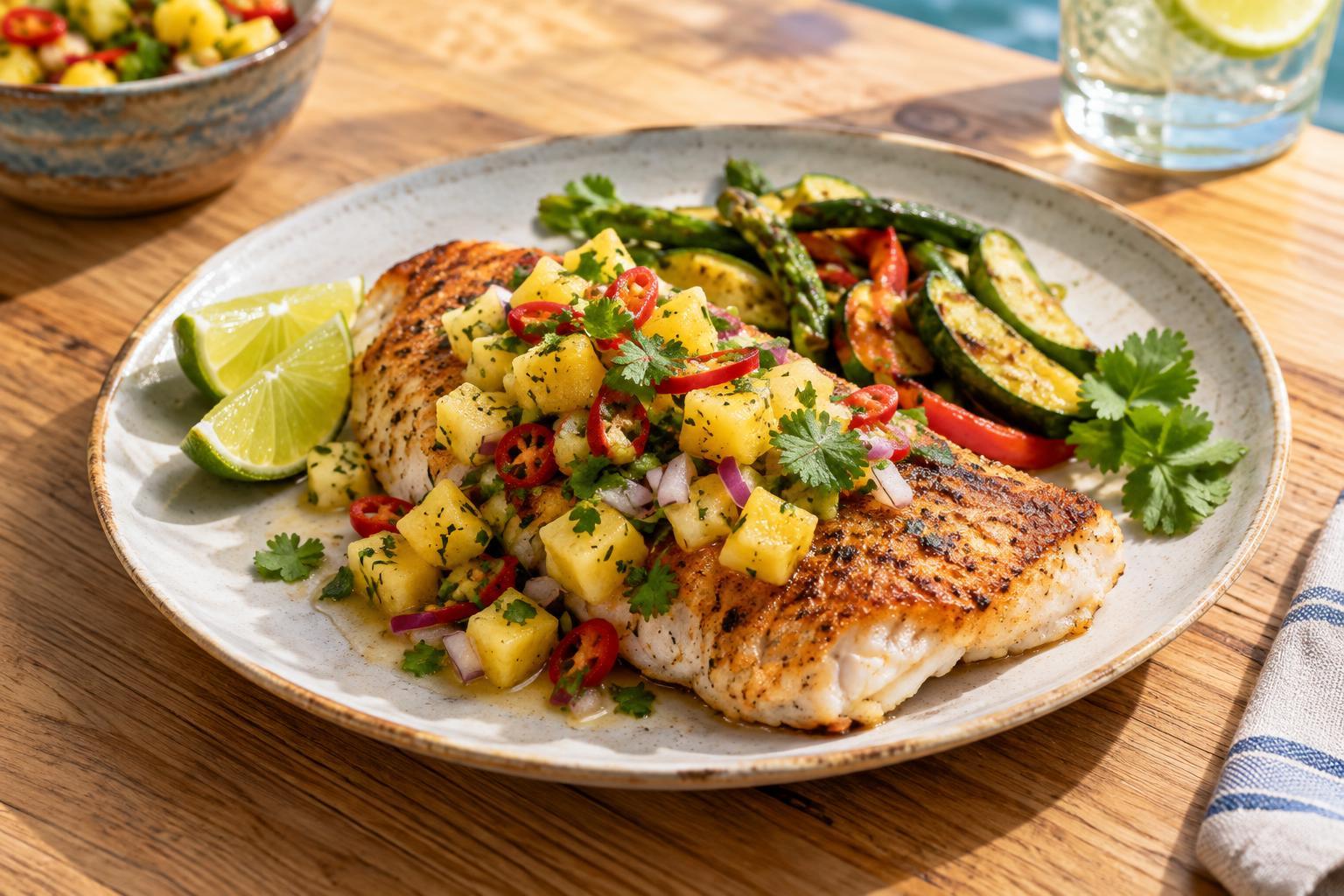
Spoon the beans alongside rice so the sauce has somewhere to go, or serve them with a crisp green salad for contrast. For a wider spread, offer lime wedges at the table and let each person adjust their portion. The dish is easy to prepare ahead, but the pumpkin will continue to soften when reheated. Warm leftovers gently, adding a splash of water if the sauce has become too thick.
Small choices that make a difference
Choose firm squash without soft spots, wash its exterior before cutting, and use a stable cutting board when peeling and chopping. If you start with dried pink beans instead of canned, cook them separately until fully tender before making this dish. Adding firm pumpkin to undercooked beans makes it difficult to finish the beans without losing the pumpkin’s shape.
Refrigerate leftovers promptly in a covered container. When serving alongside seafood, keep raw seafood and its juices away from the prepared beans, utensils, and cutting board. That simple separation helps preserve both the flavor of the side and good kitchen handling habits.