Why ripeness matters more than size
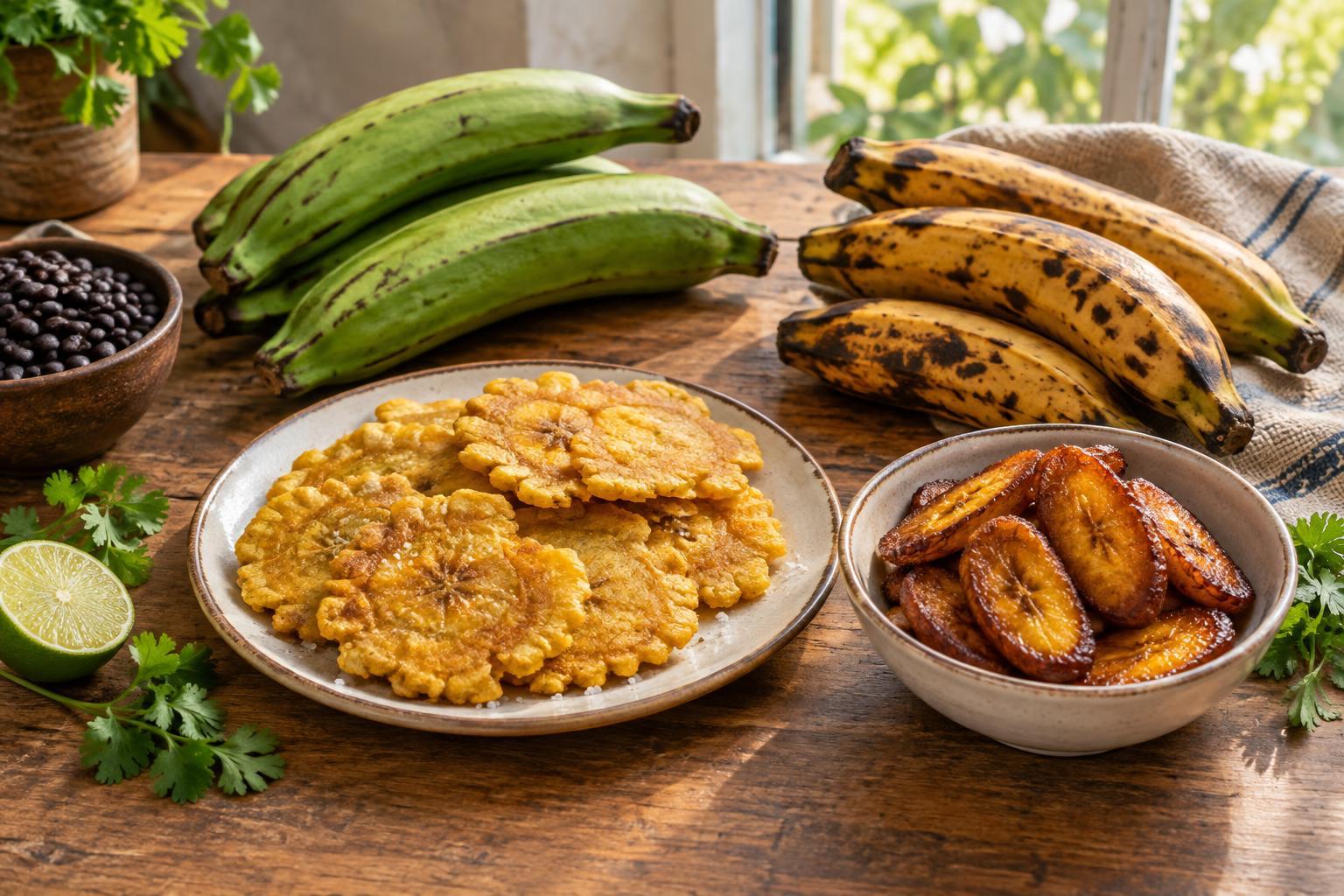
A green plantain and a nearly black one can make very different dishes. Green plantains are firm, starchy, and mildly flavored; they hold their shape well and work in preparations that call for a crisp exterior or a substantial mash. As the peel turns yellow and then darkens, the flesh softens and tastes sweeter. Ripe plantains brown readily in a pan and make a gentle contrast to salty beans, chile, or a tangy sauce.
Plantains appear in many Latin American and Caribbean kitchens, but there is no single way to prepare them. If a recipe specifies green or ripe fruit, treat that detail as essential rather than optional. For an improvised side dish, decide first whether you want something savory and potato-like or soft and sweet. That choice will tell you which plantain to bring home.
How to choose plantains at the store
For a green-plantain dish, look for a firm fruit with a predominantly green peel. A little yellow may be workable, but a noticeably soft plantain will be harder to slice thinly or flatten after its first fry. For a sweet preparation, choose one with a yellow peel covered in dark patches, or a mostly dark peel, and flesh that yields slightly when pressed. Dark skin alone is not a sign that the fruit is spoiled.
Skip plantains with leaking spots, visible mold, or an unpleasant fermented smell. Surface scuffs and a few bruises are less concerning, though deep bruises may leave soft areas to trim. If the available fruit is greener than you need, buy it ahead of time and let it ripen at room temperature. Ripening speed varies with the fruit and the temperature of your kitchen, so check it daily rather than counting on a fixed schedule.
Store and peel them with less fuss
Keep whole plantains at room temperature while they ripen, away from direct sun. Once they reach the stage you want, plan to use them soon. Refrigeration may darken the peel and can change the texture, so the outside becomes a less useful guide to the fruit within. For longer storage, peel and cut the plantains, then freeze the pieces in a sealed container. Thawing may soften them; frozen pieces are often most convenient in dishes where a perfectly firm slice is not important.
Green plantains are tougher to peel than bananas. Trim both ends, make a shallow lengthwise cut through the peel without cutting deeply into the flesh, and work a thumb or the edge of a spoon under the skin. A second shallow cut can help with a stubborn peel. Ripe plantains usually peel more easily. Wash the outside before cutting, and use a clean board and knife, especially if the same kitchen workspace is used to prepare seafood.
Cook green plantains for crunch or body
To make flattened green plantains, cut peeled fruit into thick rounds and cook them in oil until they begin to soften but have not browned deeply. Remove them, press each round into a disk, then cook them again until crisp and golden. Keep the pieces in a single layer when possible so they cook evenly, and take care around hot oil. Serve them promptly with a tomato-chile salsa or a garlicky dip.
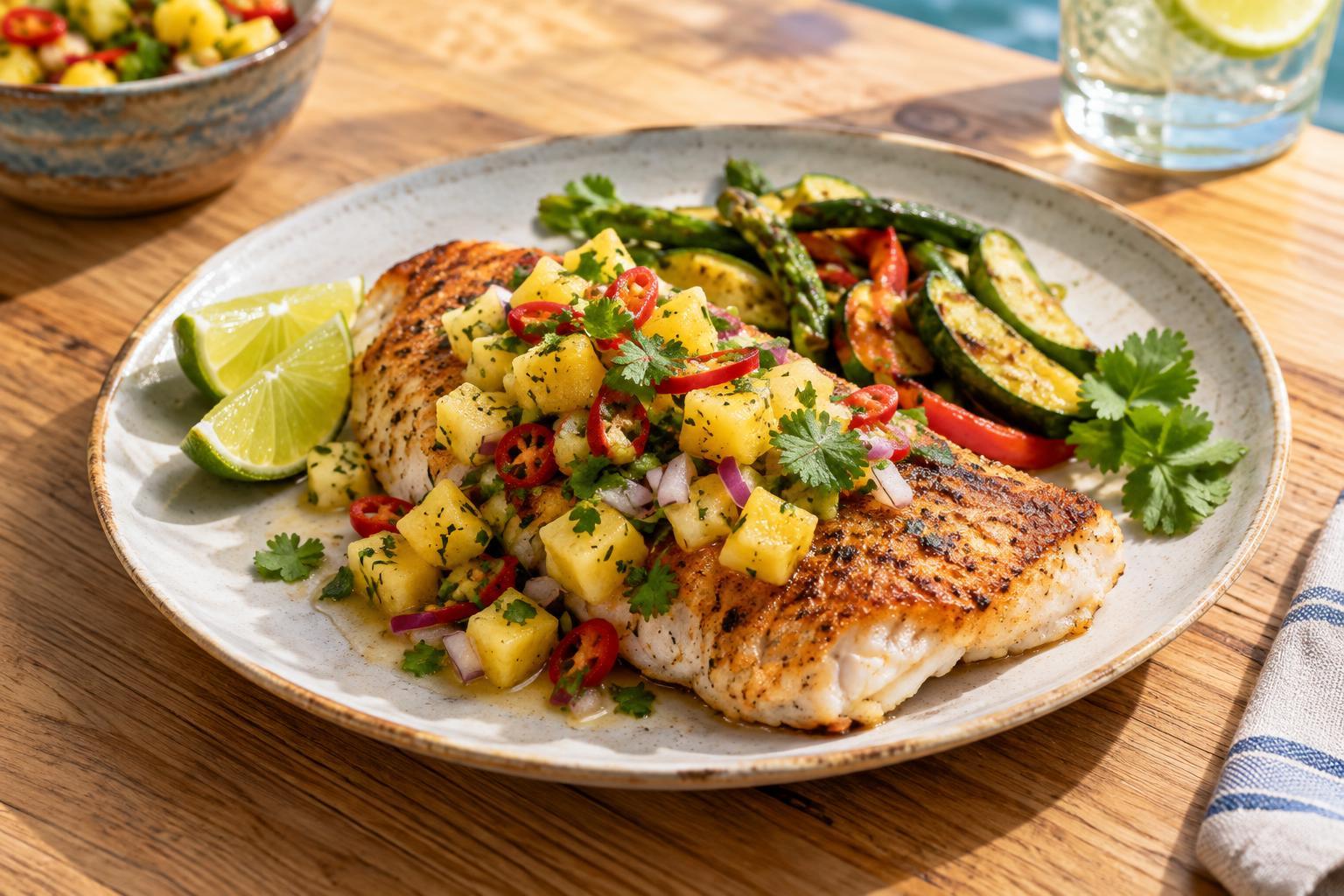
Green plantains also work in soups and stews. Cut them into bite-size pieces and simmer until tender, tasting a piece to check that its center is cooked through. They add body without the sweetness of a ripe plantain. For a coastal-inspired plate, pair them with cooked fish, beans, and a crunchy cabbage salad. Keep raw seafood and its utensils separate from ready-to-eat sides to avoid cross-contamination.
Use ripe plantains to balance bright, savory flavors
For a simple ripe-plantain side, slice peeled fruit on a diagonal and cook it in a lightly oiled skillet over moderate heat. Turn the slices when the undersides are browned, then cook until the centers are soft. Because their natural sugars brown quickly, a gentler heat gives the middle time to warm through before the outside gets too dark. A small pinch of salt can make the sweetness feel more balanced.
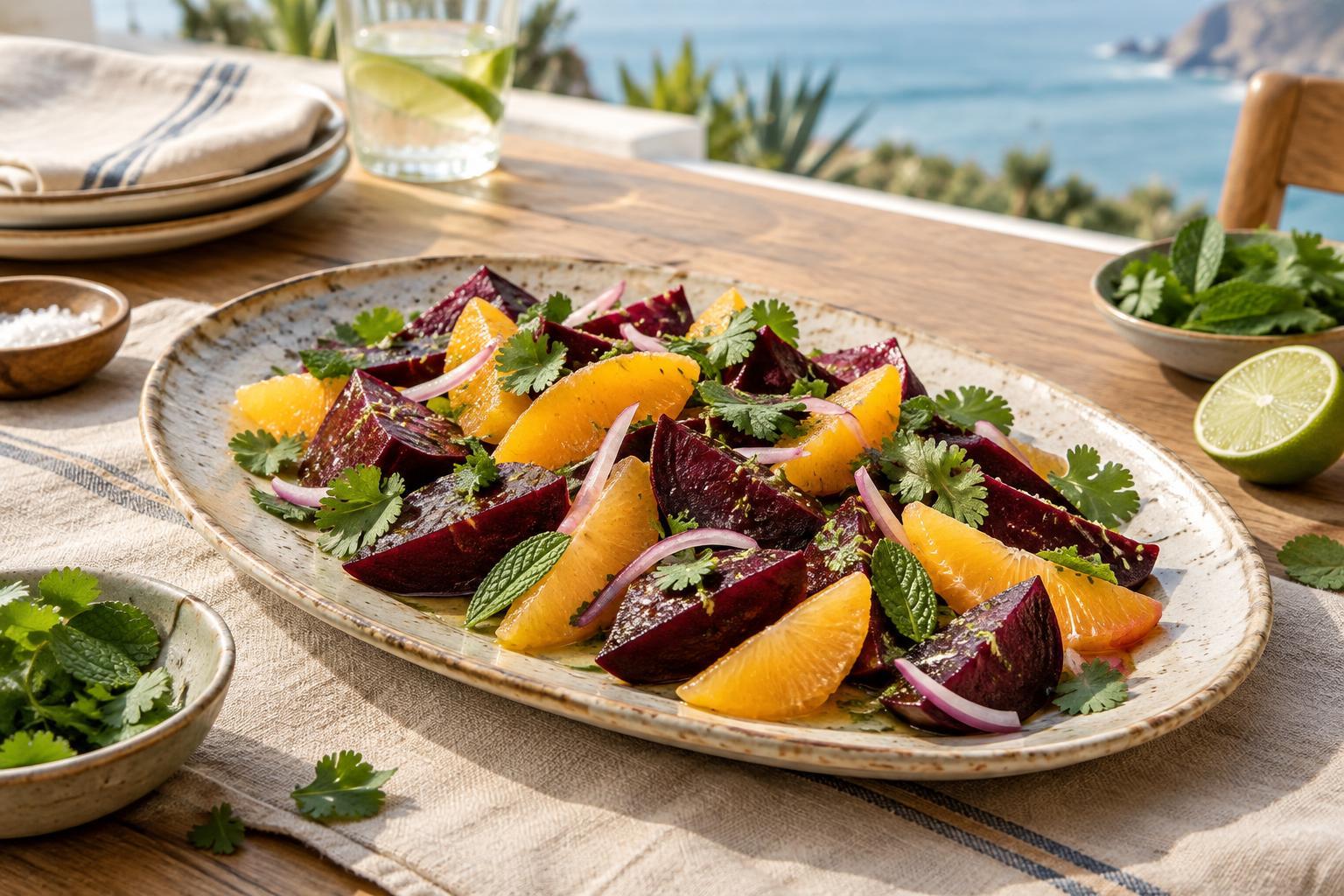
Serve ripe plantains beside well-cooked seafood, seasoned rice, or black beans, with lime wedges or a citrusy vegetable salad to cut through their richness. Add acidic dressings just before serving if you want to preserve crisp vegetables. If the meal includes citrus-marinated raw seafood, remember that citrus changes its texture and appearance but does not make it equivalent to cooked seafood. A cooked seafood preparation is the safer choice when you want to avoid the risks of eating it raw.