A mild vegetable with room for bold flavors
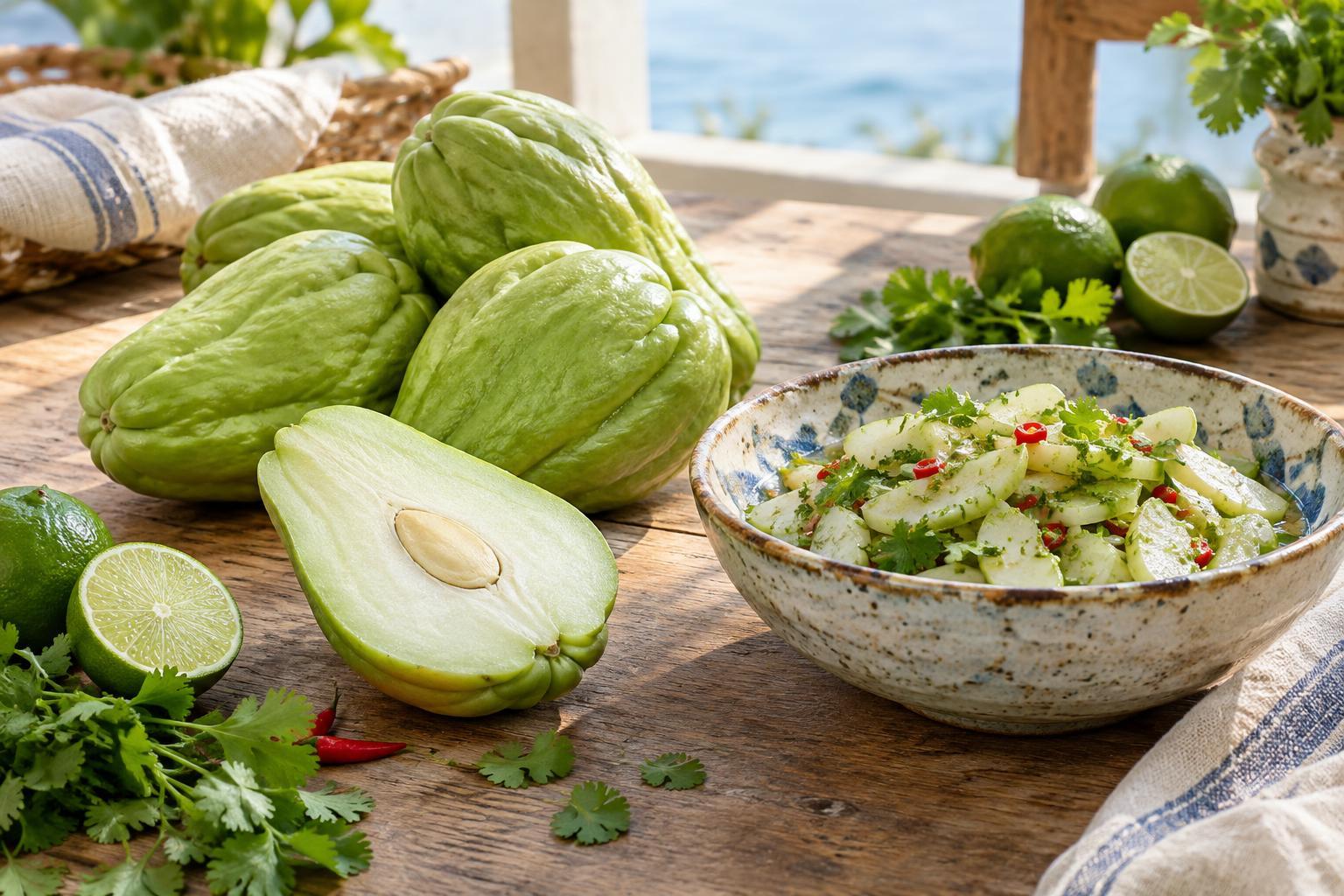
Chayote is a pear-shaped squash used in many Latin American kitchens. Its flavor is gentle, and its texture changes with the way you cook it: thin raw slices are crisp, while simmered or sautéed pieces become tender without turning heavy. That flexibility makes chayote especially useful alongside dishes seasoned with lime, herbs, garlic or chile. It can add freshness to a plate without competing with a strongly flavored sauce or a piece of fish.
For coastal-inspired cooking, think of chayote as both a vegetable and a backdrop for seasoning. Cut it into small pieces for a warm side with onion and tomato, shred it for a crunchy slaw, or add it to a light broth. Its mildness is an advantage when the rest of the meal includes briny, spicy or tart flavors.
What to look for when choosing chayote
Choose chayotes that feel firm and fairly heavy for their size. The skin may be smooth, ridged or prickly, depending on the variety; those differences do not determine how you must cook it. Look for skin that is intact rather than deeply bruised, split or soft. A few surface marks are less concerning than a squash that feels spongy or has wet, damaged spots.
Size can help you plan a dish. Smaller chayotes are convenient for thin slices or quick-cooking pieces, while a larger one gives you more to dice for a family-style side. Very mature chayote may need a little more attention when you cut around the center seed or any fibrous portions. If you are buying a prickly variety, handle it with a towel or gloves so you can check its firmness comfortably.
Storing and preparing it at home
Keep whole chayote dry and place it in the refrigerator crisper, preferably in a loose bag that allows a little airflow. Check it before use and discard it if it develops extensive soft, slimy or moldy areas. Once cut, refrigerate the pieces in a covered container and use them promptly. Wash the whole squash under running water before cutting, even if you plan to peel it, so the knife does not carry surface dirt into the flesh.
To prepare chayote, trim the ends, then halve it lengthwise. Peel it if you want a softer finished texture or if the skin seems tough; for some tender chayotes, peeling is optional. The center seed is often tender enough to eat, though you can remove it for evenly shaped slices. Cut chayote can release a slightly sticky sap. A towel for gripping and a quick rinse of your hands and tools can make preparation more comfortable.
Three ways to build a coastal-inspired side
For a crisp salad, slice chayote thinly or grate it, then toss it with lime juice, a little salt, red onion, cilantro and finely chopped chile. Add the dressing shortly before serving if you want the sharpest crunch. For a warmer side, sauté diced chayote with onion in a little oil until it begins to soften. Add tomato and garlic, cook until the pieces are tender to your liking, and finish with herbs and a squeeze of lime.
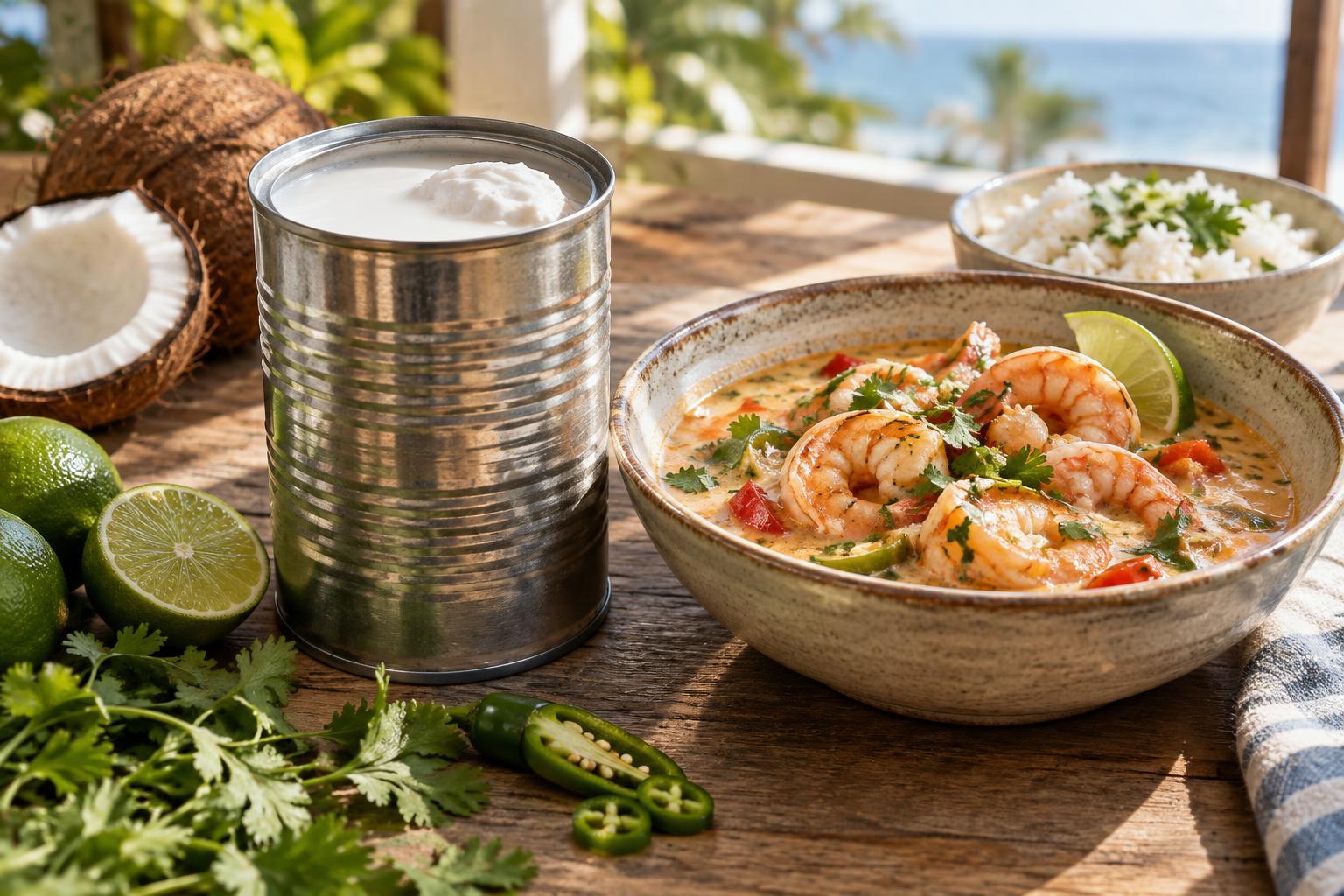
Chayote also works in a gently simmered vegetable dish. Add it to a light tomato broth with peppers, or cook it with a modest amount of coconut milk and chile for a mellow contrast to citrus-marinated flavors elsewhere on the table. Cut the pieces to a similar size so they cook evenly. Taste before serving: because chayote is mild, a final pinch of salt or splash of citrus can make the vegetables feel more complete.
Pairing chayote with seafood safely
A chayote slaw or warm sauté can sit beside properly cooked fish or shrimp, bringing crunch and acidity to the plate. If you prepare seafood at the same time, keep raw seafood and its juices away from vegetables meant to be eaten raw. Use separate utensils and cutting boards, or wash them thoroughly with hot, soapy water before preparing the chayote salad.
Citrus juice adds flavor, but citrus curing does not make raw seafood equivalent to cooked seafood or reliably remove food-safety risks. For a vegetable side that will be served with seafood, prepare and chill the vegetables safely, cook seafood appropriately when cooking it, and avoid using a marinade that has touched raw seafood as a salad dressing. These habits let chayote’s fresh texture shine without treating lime juice as a substitute for careful handling.