







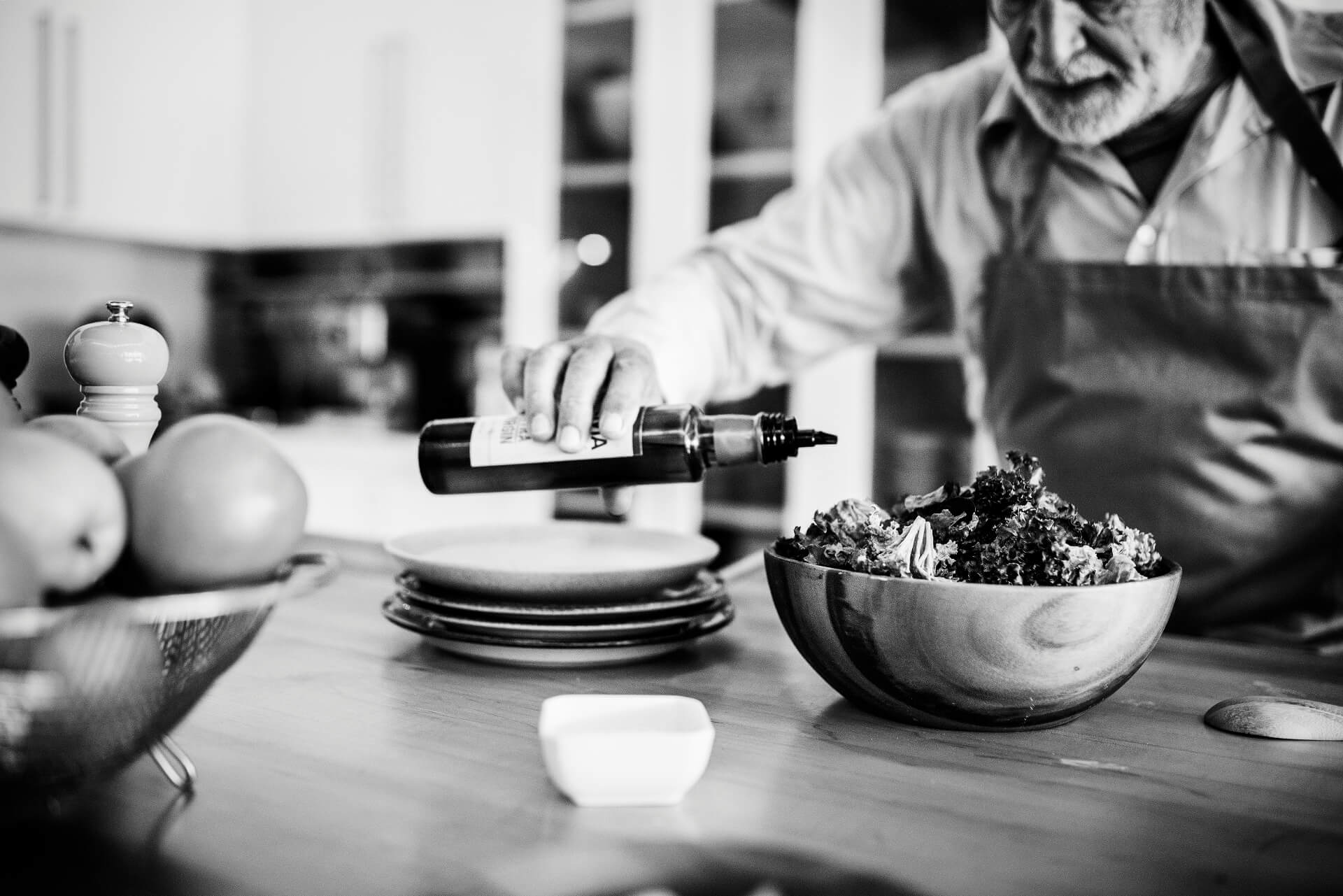


How Restaurants Became Lifestyle Brands
Dive into the fascinating world where food meets lifestyle. Explore inspiring culinary trends, embrace the vibrant culture of Latin cuisine, and discover how restaurants are evolving into powerful lifestyle brands.
The Evolution of Dining: From Plates to Personalities
In recent years, the restaurant scene has undergone a significant transformation. No longer are eateries merely places to grab a meal; they have ascended to become integral components of a broader lifestyle. This shift is particularly evident in the rise of restaurants that transcend their physical locations, embedding themselves into the daily lives and identities of their patrons. Factors such as social media influence, a growing desire for curated experiences, and the increasing importance of personal branding have all contributed to this evolution. Consumers now seek more than just good food; they crave a connection, an atmosphere, and a narrative that resonates with their personal values and aspirations. This has propelled restaurants to become more than just dining establishments, but rather destinations that embody a specific way of living.
Building a Culinary Identity: The Power of Restaurant Branding
Effective restaurant branding is the cornerstone of its transition into a lifestyle entity. This involves crafting a cohesive identity that extends beyond the menu. It encompasses the restaurant’s aesthetic, its story, its values, and the overall experience it offers. Think of iconic establishments that have successfully built a loyal following not just for their dishes, but for the entire ethos they represent. This can manifest in unique decor, curated playlists, branded merchandise, and engaging social media content that showcases not just food, but also the lifestyle associated with it. Successful restaurant branding aims to create an emotional connection, making customers feel like they are part of something bigger than just a meal. This is where the synergy between food and lifestyle truly shines.
Key elements of successful restaurant branding include:
- A distinctive visual identity (logo, color palette, typography).
- A compelling brand story and mission statement.
- Consistent messaging across all platforms.
- Curated customer experiences that align with the brand.
- Strategic use of social media to build community and engagement.
Latin Cuisine Culture: A Rich Tapestry for Lifestyle Integration
Latin cuisine, with its vibrant flavors, diverse ingredients, and rich cultural heritage, provides fertile ground for restaurants aspiring to become lifestyle brands. The inherent warmth, sociability, and celebratory nature of Latin food culture naturally lend themselves to creating an immersive experience. From the bustling street food stalls to elegant fine dining establishments, Latin American culinary traditions offer a deep well of inspiration. Restaurants that tap into this culture can offer more than just a meal; they can provide a gateway to understanding and appreciating a way of life. This involves celebrating traditional recipes, showcasing regional specialties, and fostering an atmosphere that reflects the passion and hospitality characteristic of Latin American societies.
Food Inspiration in the Digital Age: Social Media’s Role
The advent of social media platforms has been a game-changer in how restaurants connect with their audience and cultivate a lifestyle brand. Platforms like Instagram, TikTok, and Pinterest have become powerful tools for visual storytelling, allowing restaurants to showcase their dishes, ambiance, and brand ethos in an engaging and shareable format. High-quality food photography, behind-the-scenes glimpses, user-generated content, and influencer collaborations all contribute to building a strong online presence and fostering a sense of community. This digital presence extends the restaurant’s reach far beyond its physical walls, allowing it to inspire and influence a global audience. When done effectively, social media can transform customers into advocates, further amplifying the restaurant’s lifestyle appeal.
The Future of Dining: Experiential Consumption and Culinary Storytelling
The trend of restaurants evolving into lifestyle brands is set to continue, driven by a growing consumer demand for experiential consumption. People are increasingly prioritizing experiences over material possessions, and dining out is a prime opportunity to fulfill this desire. Restaurants that can offer unique, memorable, and shareable experiences will thrive. This includes not only exceptional food and service but also immersive environments, engaging events, and a strong sense of community. Culinary storytelling – the art of weaving a narrative around the food, its origins, and the people behind it – will become even more crucial. By embracing these elements, restaurants can solidify their position not just as places to eat, but as integral parts of their customers’ chosen lifestyles.
In conclusion, the transformation of restaurants into lifestyle brands is a multifaceted phenomenon driven by branding, cultural resonance, and the pervasive influence of digital media. As consumers increasingly seek authentic experiences and connections that align with their personal identities, restaurants that can effectively weave food inspiration and cultural narratives into a compelling lifestyle offering will undoubtedly capture the hearts and minds of diners worldwide.
What are your favorite restaurants that embody a lifestyle? Share your thoughts in the comments below!